
A guide to air purification: How to maintain productivity during flu season

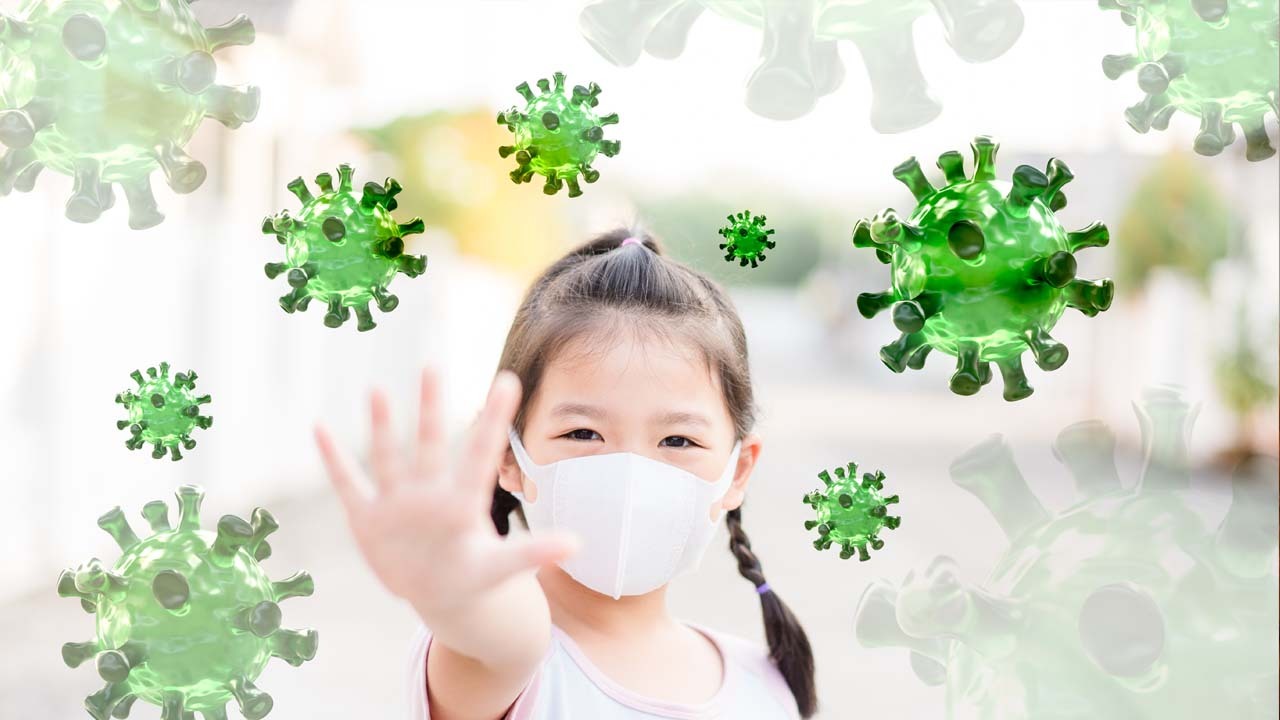
To breathe clean, healthy air free from airborne pathogens is an achievable goal. Modern commercial air purification systems can effectively eliminate or reduce airborne viruses, allergens, and pollution. They have therefore become a practical solution for nursing homes and hospitals, where vulnerable citizens need extra protection, or in schools and workplaces, where the flu season can significantly impact productivity.
What does air purification help against?
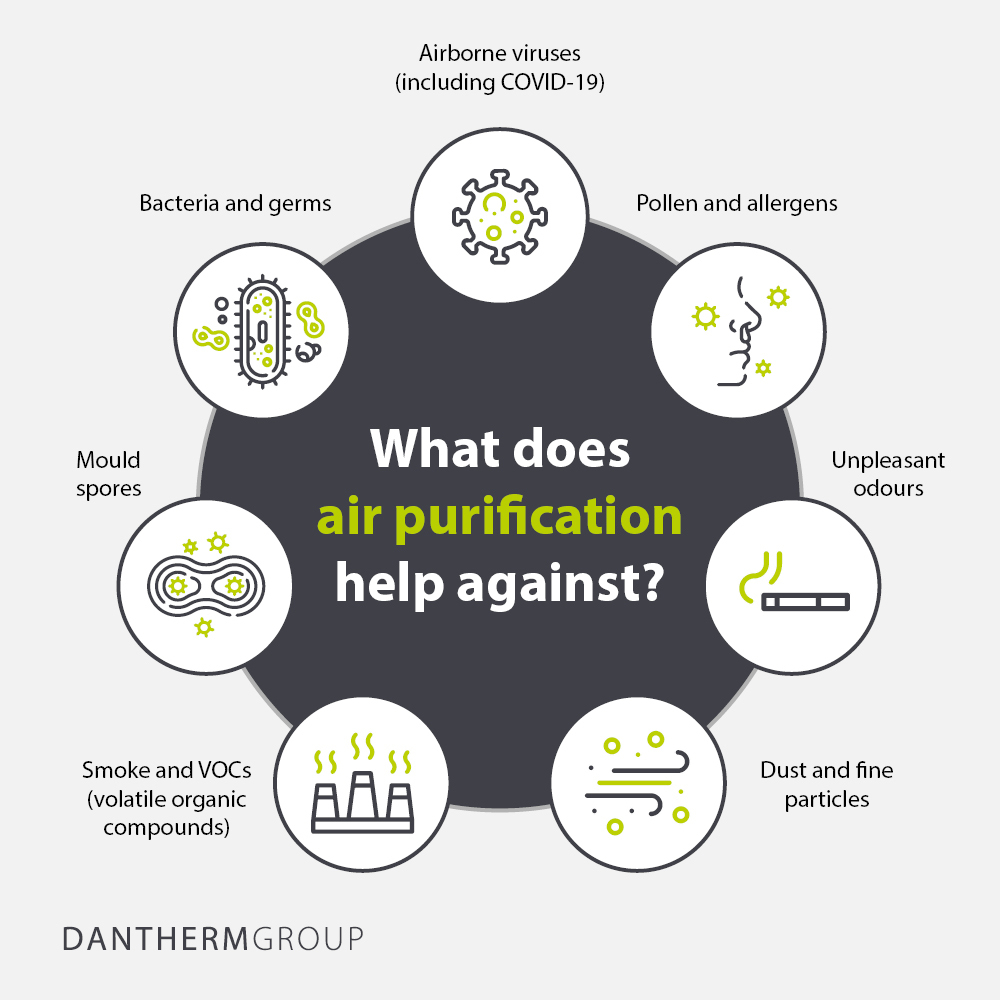
Depending on capacity and filter type, air purification helps reduce or eliminate:
- Airborne viruses (including COVID-19)
- Bacteria and germs
- Pollen and allergens
- Mould spores
- Unpleasant odours
- Smoke and VOCs (volatile organic compounds)
- Dust and fine particles
This makes air purifiers ideal for environments where people spend long hours and where clean air is critical, such as hospitals, schools, offices, and hospitality venues.
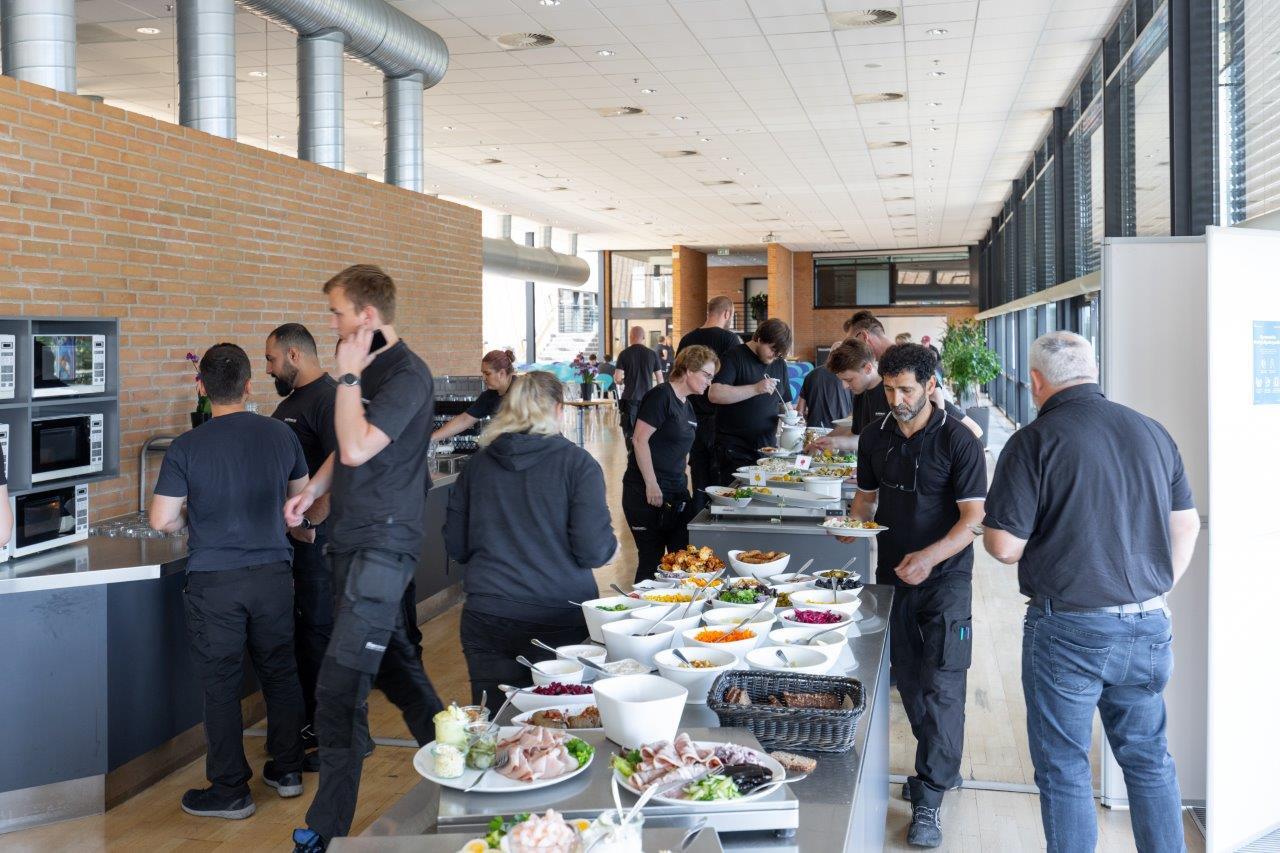
During the flu season, more elderly people die, and companies suffer from absenteeism and low productivity because either the employees or the employees’ children are ill. As a consequence of that, many companies and public institutions offer vaccinations and install hand sanitizers. Implementing air purifiers can support the effort to stop spreading airborne diseases and secure the overall health profile. During the COVID pandemic, air purifiers became extremely popular as a supplementary method to contain the virus from spreading:
“When used along with other best practices recommended by CDC and other public health agencies, including social distancing and mask wearing, filtration can be part of a plan to reduce the potential for airborne transmission of COVID-19 indoors.”
United States Environmental Protection Agency, Air Cleaners, HVAC Filters, and Coronavirus (COVID-19).
Although the Coronavirus is no longer a public threat, we can use the data that was collected during the pandemic to fight similar viruses. By focusing on viruses, we are setting the bar high since they belong to the smallest particles in the air. Much smaller than bacteria and mould spores.
Air purifiers help keeping the room heated
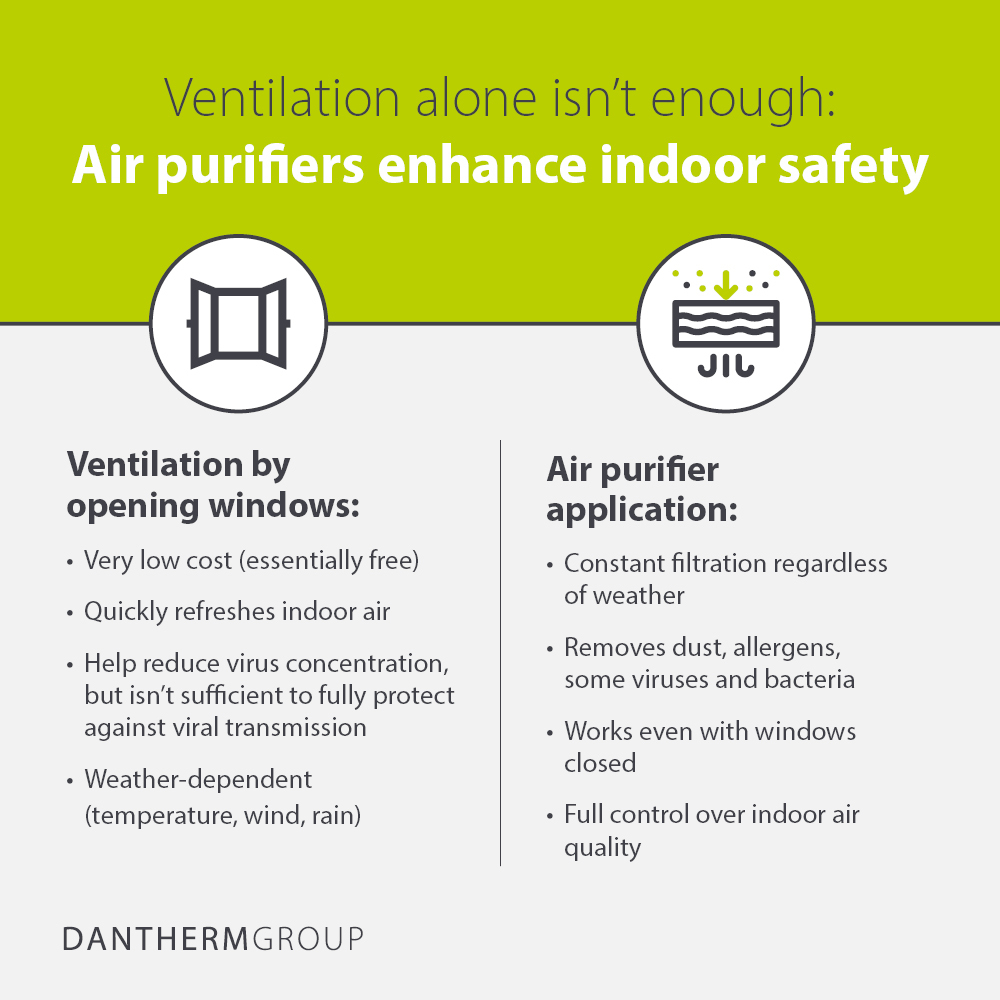
The usually advised method to get rid of airborne viruses is to ventilate and exchange the indoor air by regularly opening the windows. However, as the flu season coincides with the cold-weather season, this is not always a very energy-efficient method. Air purifiers draw in polluted or infested air and expel warm clean air and thus contribute to saving heat energy. Home air purifiers can be very energy efficient with a power consumption as low as <0.2 kW at >1,000 m3/h air volume.
How does air purification work?
Professional air purifiers operate by continuously drawing in used air, filtering it through multiple layers of filters, and releasing it back into the room as clean air. Key components include:
- Pre-filters capture large particles like dust and hair.
- HEPA filters trap microscopic particles such as viruses, bacteria, and allergens.
- Optional activated carbon filters absorb odours and chemical pollutants.
- UV-light or thermal disinfection kill infectious organisms.
Unlike ventilation systems that bring in outside air, air purifiers recirculate and clean existing indoor air. This is a highly energy-efficient method, especially in colder months where open-window ventilation leads to heat loss and increased energy bills.
Sidenote: It is still advisable to ventilate your house regularly and add fresh air, especially in the winter, to expel the humidity that builds up. But with an air purifier in the room, you don’t need to exchange the air because of particles.
Is the effect of HEPA filters proven?
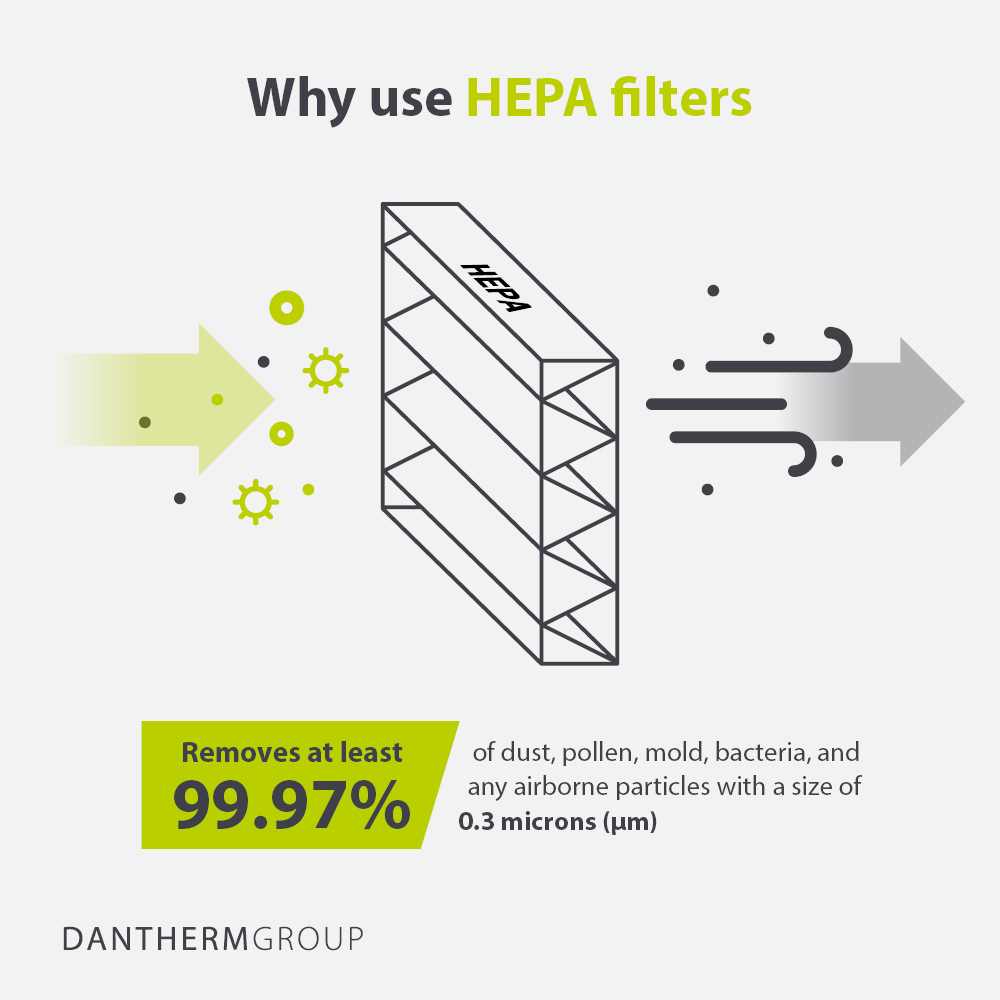
HEPA is an acronym for high efficiency particulate air. According to the US Environmental Protection Agency (EPA) HEPA filters “can theoretically remove at least 99.97% of dust, pollen, mold, bacteria, and any airborne particles with a size of 0.3 microns (µm).” (What is a HEPA filter?). The coronavirus is 0.1-0.5 µm, whereas a bacterium is 1-3 µm.
The higher the HEPA number, the smaller the particles it captures.
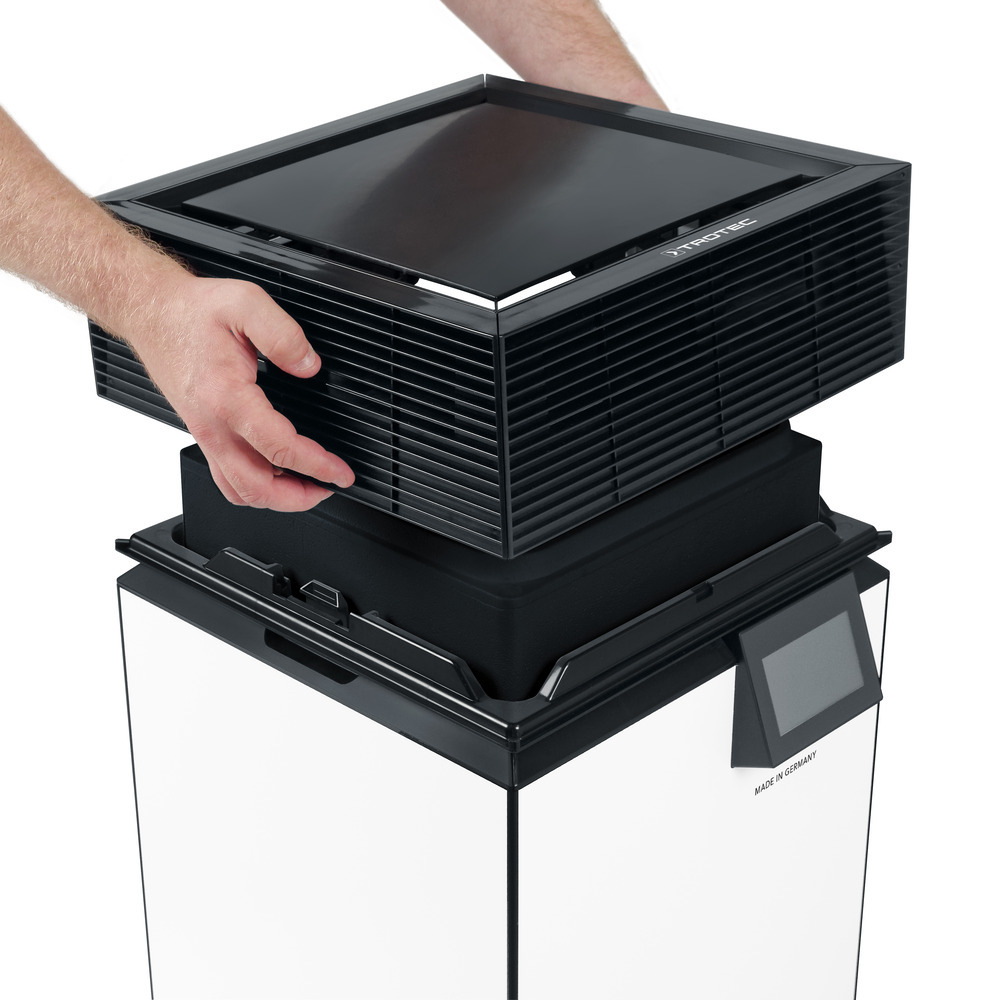
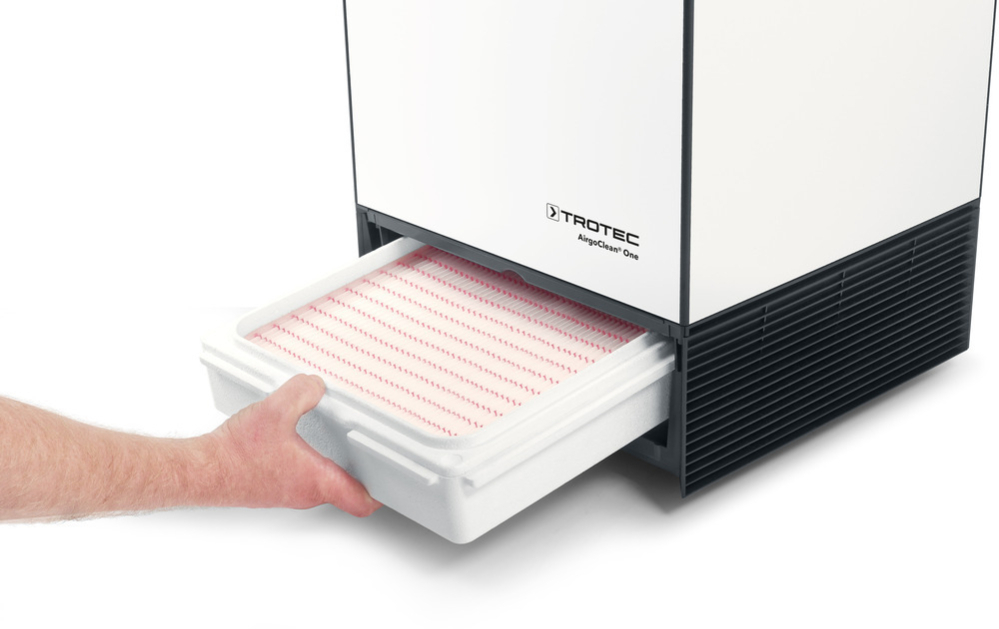
Example air purifier AirgoClean One from Trotec - a Dantherm Group-owned brand
Removing the air purifier top:
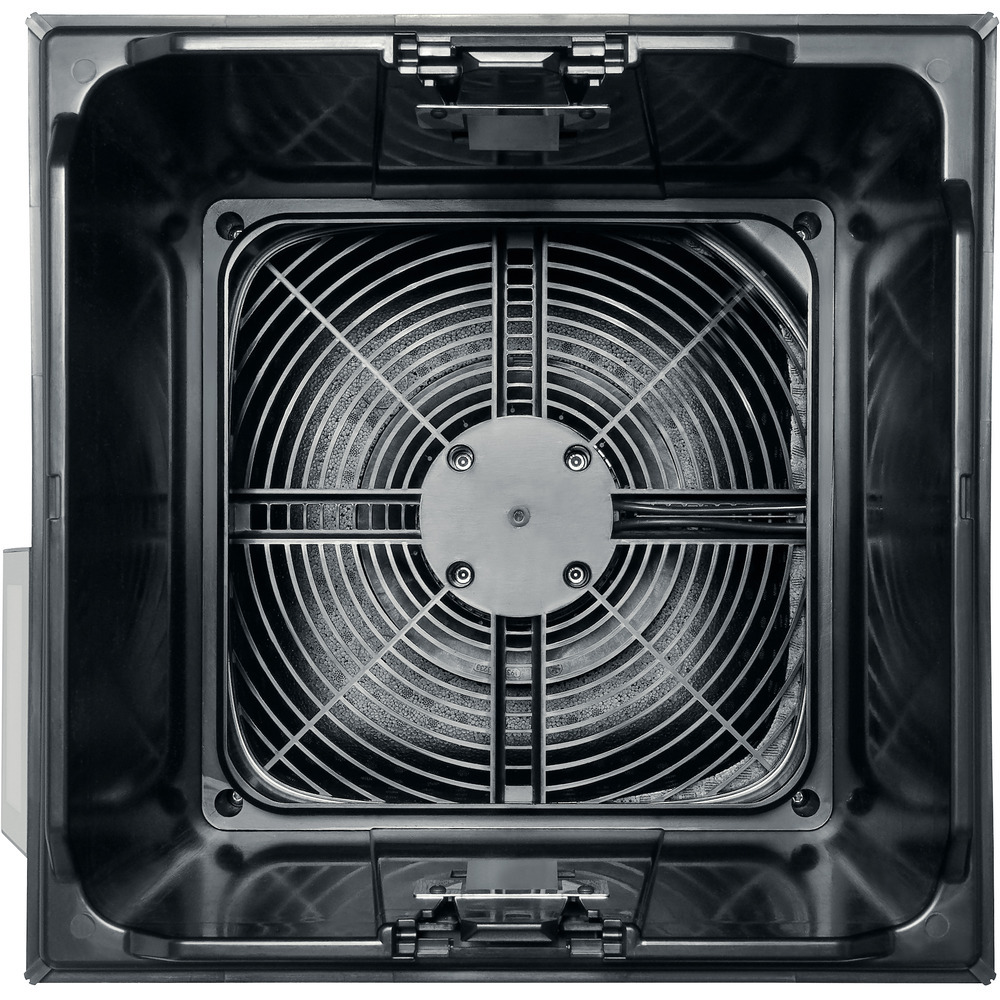
Air outlet:
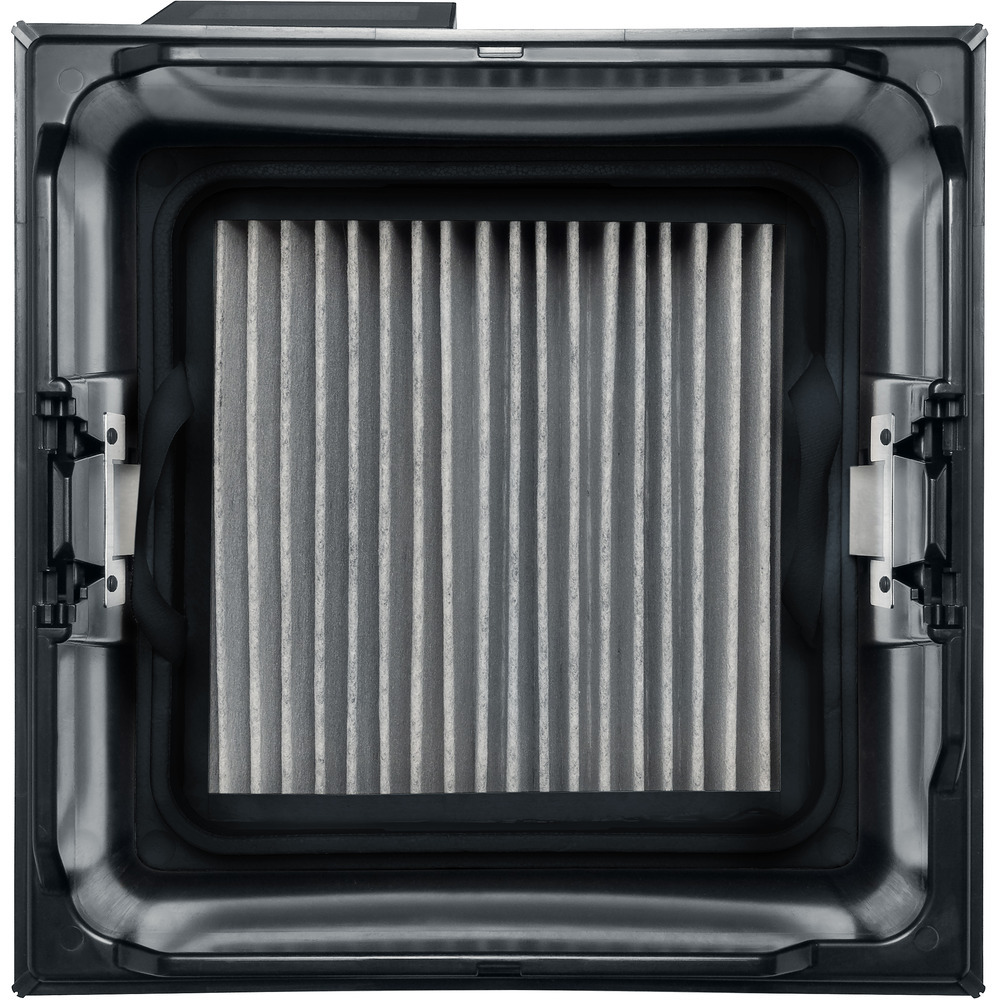
Carbon filter:
HEPA filter:
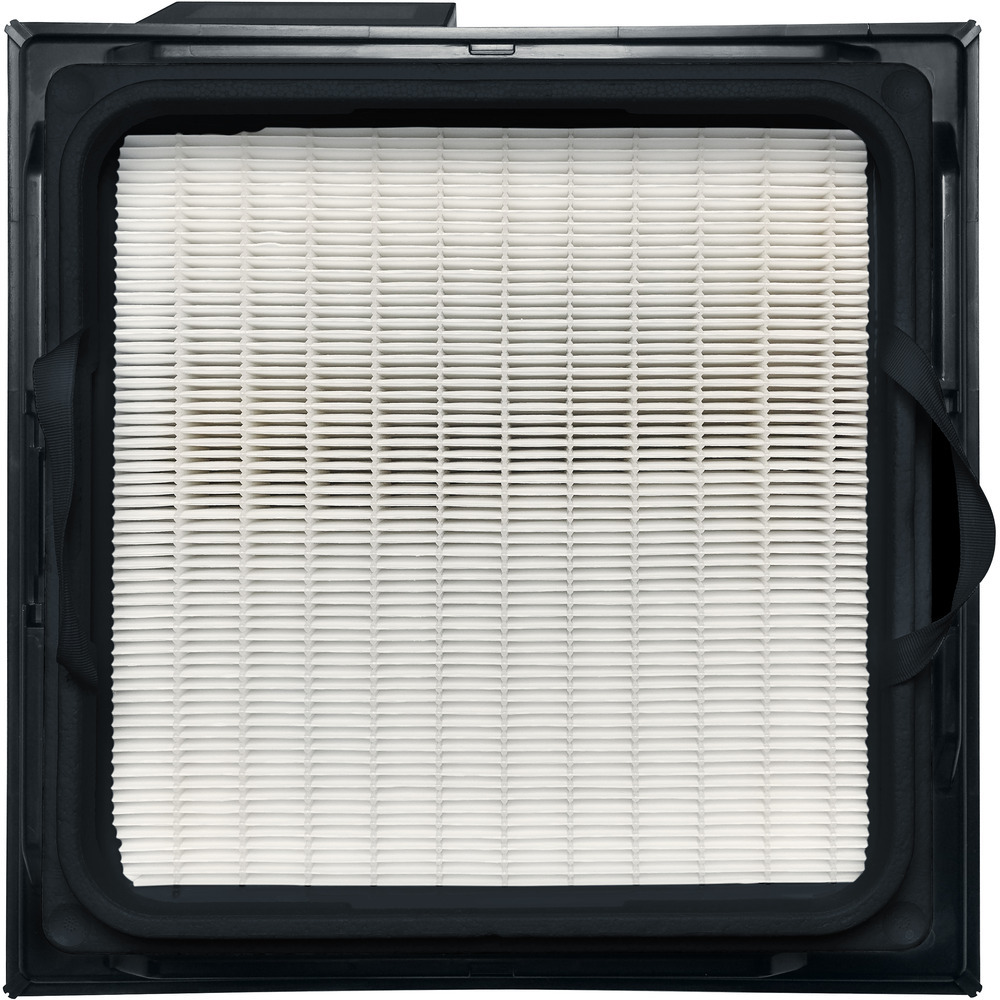
The filter captures particles and must be regularly exchanged. To kill captured viruses, bacteria, and other pathogens, the air purifier must be fitted with a special program for hot air disinfestation or UV-light.
How does thermal disinfection work?
According to a study published in the Lancet 2020, the virus SARS-CoV-2 remains stable at low temperatures, but the time required for it to become undetectable decreases significantly at higher temperatures:
- At 22 °C, it is no longer detectable on a surface after 14 days
- At 37 °C, it is no longer detectable on a surface after 2 days
- At 56 °C, it is no longer detectable on a surface after 30 minutes
- At 70 °C, it is no longer detectable on a surface after 5 minutes
Air purifiers exploit this weakness of microorganisms by applying heat. Aerosols carrying viruses and bacteria are filtered out, and the heat-resistant filter is then heated to about 100 °C for approximately 15 minutes at regular intervals. In this process, the viruses are denatured, i.e., practically destroyed. This takes place at a desired point in time and fully automatically, e.g., once a week at night, outside office or teaching hours. Because of the short heating interval, only little energy is needed and the room temperature is not affected.
This heating process also counteracts the formation of bacteria, biofilm and filter odours, without any harmful chemical additives or UV-C radiation.
Why UV light should be avoided
Although microorganisms are also sensitive to UV light, and some air purifiers have this capability, there are some problems with integrating UV light into mobile air purifiers. UV light can cause eye and skin damage, and it therefore needs to be 100% shielded, which can be challenging to guarantee.
Furthermore, for UV light to reliably neutralise microorganisms, the air must be exposed to sufficient UV intensity and for an adequate duration. Fans in mobile air purifier units move air too quickly for the UV to have an effective germicidal impact.
How ozone generators disinfect
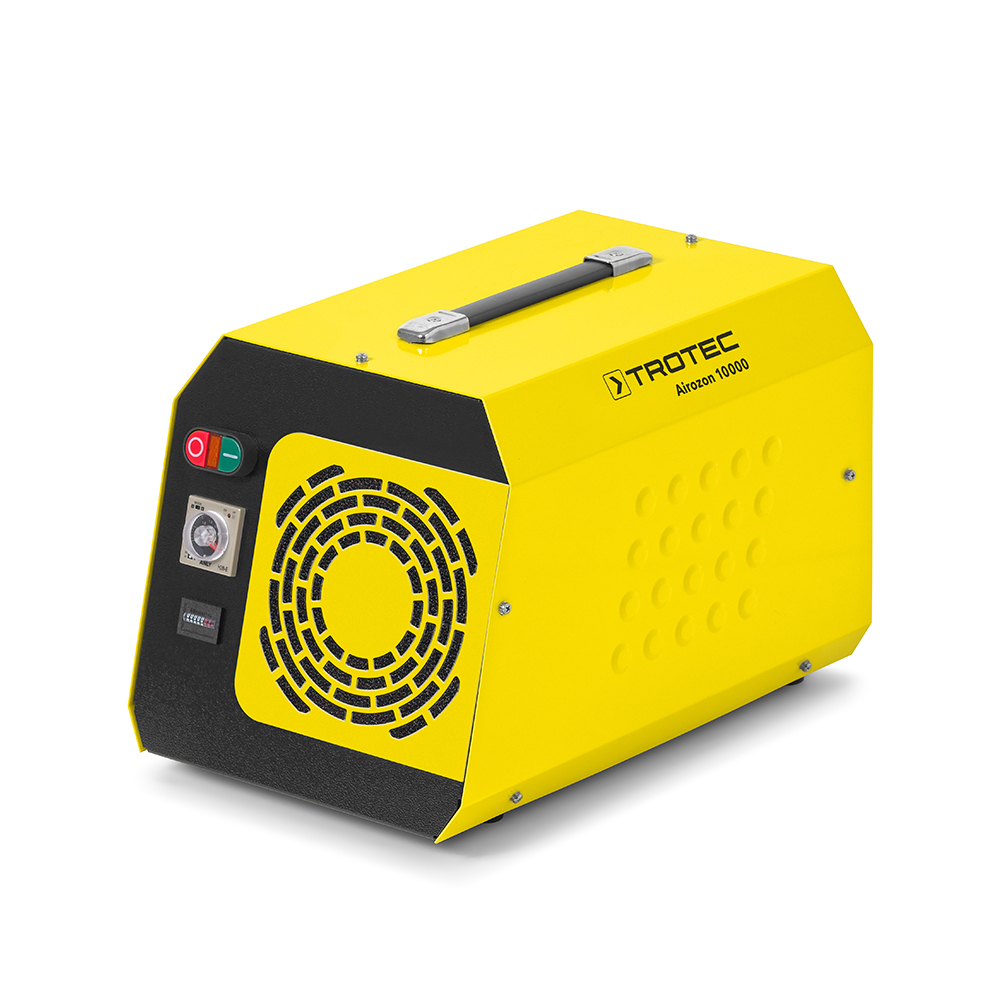
Viruses and bacteria are not always airborne. They can settle on surfaces and be transmitted through touch. Ozone generators are therefore a clever addition to air filtering devices as they simply kill all pathogenic microorganisms in the room. Ozone is a toxic gas, and because of its gaseous form it has the great advantage over other disinfectants that it can be distributed evenly everywhere, even in inaccessible areas, within minutes. With ozone, surfaces can be decontaminated effectively and above all quickly without the need for another disinfectant.
Ozone generators mimic how ozone is naturally formed during lightning storms. The generator uses high voltage electricity to split oxygen molecules (O₂) into individual oxygen atoms. These free atoms then attach to other O₂ molecules, forming ozone (O₃).
They are used for air purification and general disinfection in cars, homes, hotel rooms, and offices. However, being a toxic gas, ozone can cause respiratory issues, and ozone generators should never be used in occupied spaces. The area should be well-ventilated, and people and pets should stay away until the ozone has dissipated (typically 30 minutes to several hours, depending on the amount).
Ozone generators come in different designs and sizes depending on their application areas. There are handheld units for cars, and units for large rooms.
What Is CADR?
Another metric that is sometimes used for air purifiers is CADR. It stands for Clean Air Delivery Rate. It measures the amount of filtered air delivered per minute (CFM) or per hour (m³/h). If the CADR metric is too low for the size of the room, it will be ineffective.
CADR is tested for three particle sizes:
- Smoke (~0.1–1 µm)
- Dust (~0.5–3 µm)
- Pollen (~5–11 µm)
Higher CADR means faster and more effective air cleaning. The CADR of your air purifier should be equal to at least two thirds of the room's area. For example, a room with 60 m2 should have an air cleaner with a smoke CADR of at least 40.
However, the important metric for average users who don’t want to do the math, is the ‘recommended room size’ for the individual air purifier.
Where are air purifiers used?
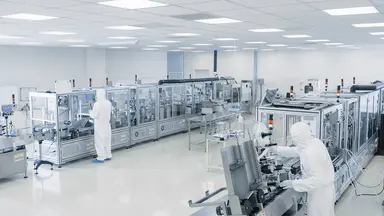
Because of the efficiency of HEPA filters, air purifiers are used in demanding environments, such as the pharmaceutical industry, in the extremely sensitive applications for semiconductor manufacturing, and in hospitals to reduce virus transmission risks.
Air purifiers are now widely used across sectors, including:
1. Healthcare – Hospitals and clinics deploy purifiers in waiting rooms and wards to reduce airborne infection risk and improve patient safety.
2. Education – With over 76 million students in EU schools, air purification can have a positive impact on public health by helping maintain safe classroom environments – without the need to waste heated air through window ventilation.
3. Workplaces – Offices benefit from virus-free air, leading to fewer sick days and greater productivity.
4. Retail – Shops and supermarkets can use air purifiers to protect customers and staff. They can even advertise a clean, safe atmosphere for their vulnerable customers.
5. Hospitality – Restaurants and hotels use quiet air purification systems to eliminate odours and create pleasant, healthy environments.
Using air purifiers allows hospitality businesses and workplaces to advertise clean air as a benefit towards customers and employees, in the same way as using thermal disinfection units can be used to advertise bug-free rooms.
As a supplement to the air purifier, you can set up a particle counter in the same room to monitor the air quality.
Are air purifiers energy efficient?
Compared to alternatives like open-window ventilation during cold seasons, air purifiers are very energy efficient. Air purifiers clean and recirculate existing indoor air, thus reducing heating costs.
Which types of air purifiers exist, and which one should you buy?
Not all air purifiers are created equal. It can be a jungle to find the right model that fits your purpose with the marketplaces overflowing with air purifiers. However, there are a few rules of thumb that you can use to guide you:
Is it portable? For businesses, we recommend a floor-standing tower model with a sufficient airflow. Smaller devices may not be able to handle larger rooms. Portable units can be placed exactly where needed and, for example, clean a conference room temporarily and then be moved back to the office space. Therefore, look for a good set of wheels and a handle.
Know your particle sizes! Are you looking for protection against bacteria and viruses, you should look for a device with HEPA H14 filters, which are proven effective against viruses.
Is it powerful enough for your room size? Air flow should be 3–5 times the room volume per hour. That means a regular school classroom of 5x8x4 metres should have an air purifier with an air flow of at least 480-800 m3/h.
Does it have disinfection capacity? Viruses are heat sensitive. Alternatively, consider using an ozone generator in addition to the air filtering unit.
Does it have app control? If you are managing several air purifiers, it can be time consuming to visit them individually. Do it remotely, instead.
What is the noise level? For manufacturing areas this may not be a big deal, but for bedrooms or hospitality settings, you should look for a model with silence mode, which is around 38-40 dB(A). Normal conversation is 50-65 dB(A).
Design can be important as well. An air purifier should be silently doing its job in the background without drawing attention to itself. Look for a design that can blend into the interior.
How to maintain air purification systems
Air purifiers are a fairly simple technology and so is their maintenance. Regular maintenance is, however, essential for continued performance:
- Remove the cover
- Take out the old pre-filter and main filter
- Insert new filters as specified by the manufacturer
- Clean the exterior
Frequency depends on usage and air quality, but most filters should be replaced every 6–12 months. Advanced models indicate when it is time to change filters. There is no health risk associated with changing filters.
Prefilter change:
Clean air helps you stay on top during flu season
Air purification systems offer a practical, efficient, and scientifically proven solution to safeguard patients, students, or employees from airborne diseases. Among other protective measures, such as hand sanitizers and flu shots, air purifiers and the occasional use of ozone generators offer a solid strategy for ensuring workplace efficiency during flu season.
You can find air purifiers on the Dantherm Group website and in the Trotec webshop.


Related products
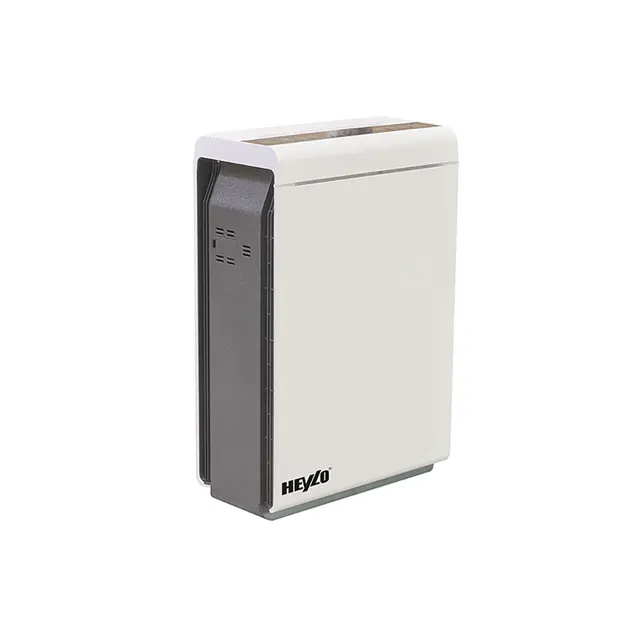
Virus air cleaner
Innovative air cleaner optionally with EPA E11 or HEPA H14 filter against viruses and germs.
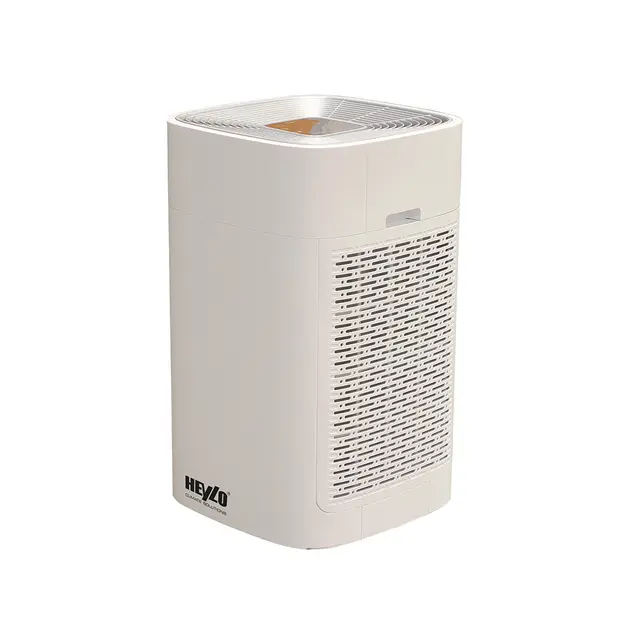
Virus air cleaner
Innovative air cleaner with EPA E11 and HEPA H14 virus filters
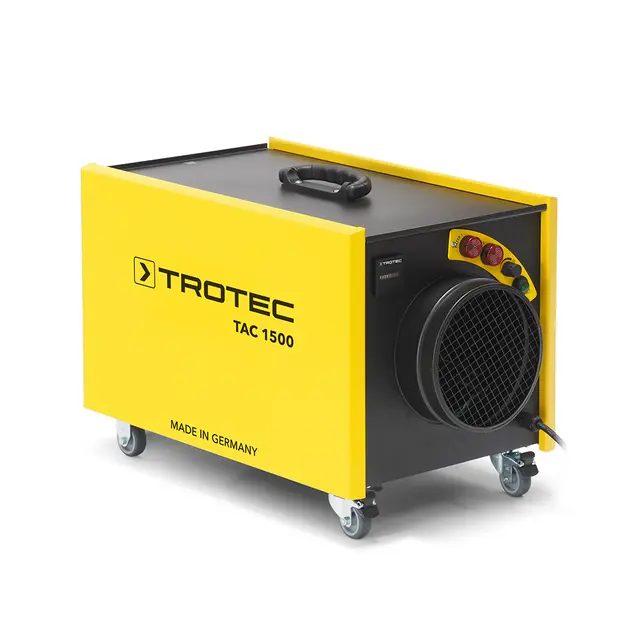
Professional air cleaners
From applications on construction sites and asbestos abatement to hygiene-sensitive areas and cleanrooms – all with one device.
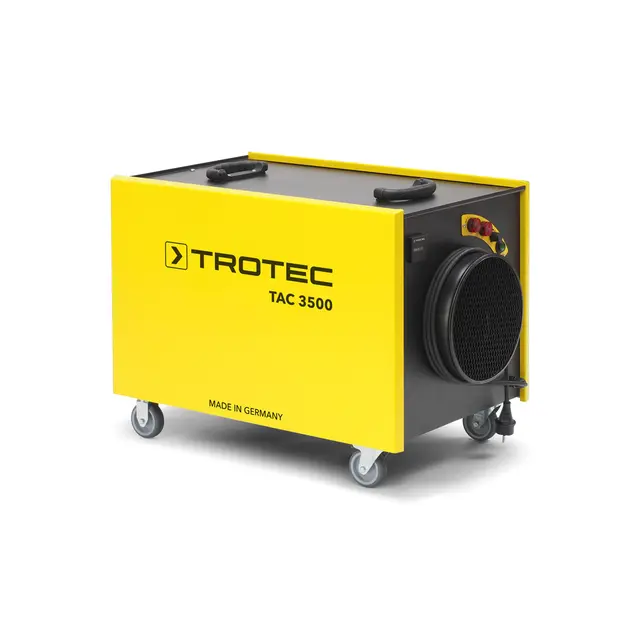
Professional air cleaners
From the construction site and asbestos abatement including to hygiene-sensitive areas and cleanrooms – all with one device.
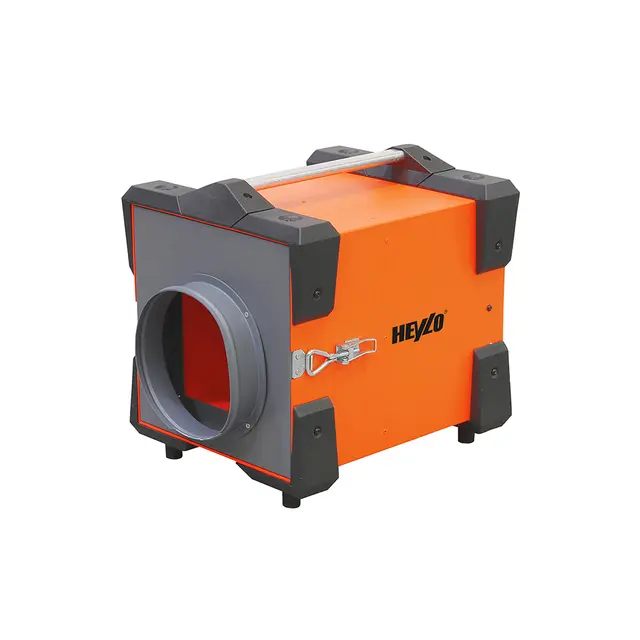
Air cleaner
For air purification and maintenance of negative pressure, especially for renovation in small rooms. Different filters (H/M class).
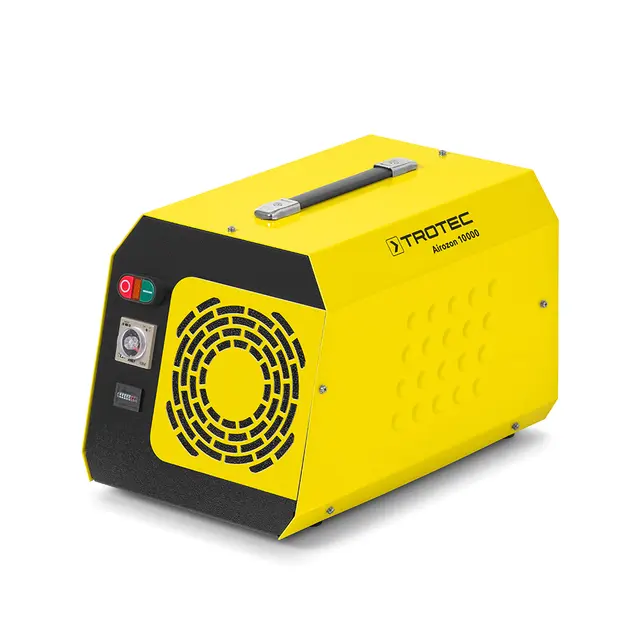
Ozone disinfectors
Compact professional solution for disinfection by oxidation of surfaces such as indoor air as well as effective odour neutralization.
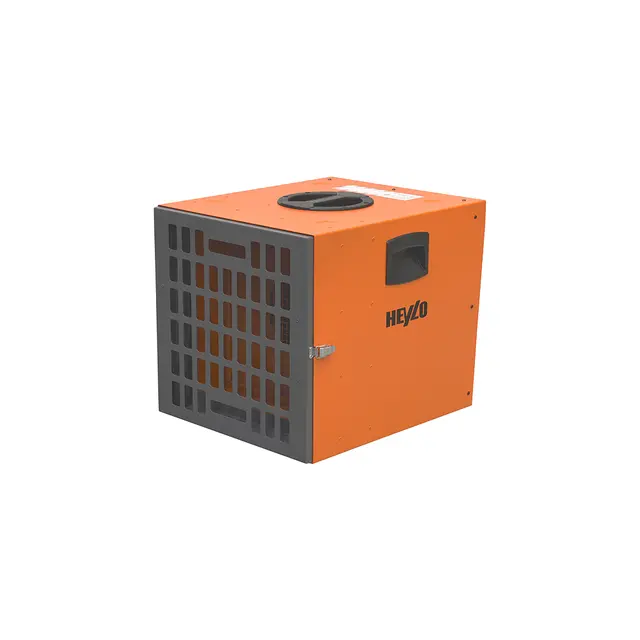
Air cleaner
Compact air cleaner for construction sites and industry. For maintaining negative pressure. Flexible filter assembly (F9/HEPA/carbon).
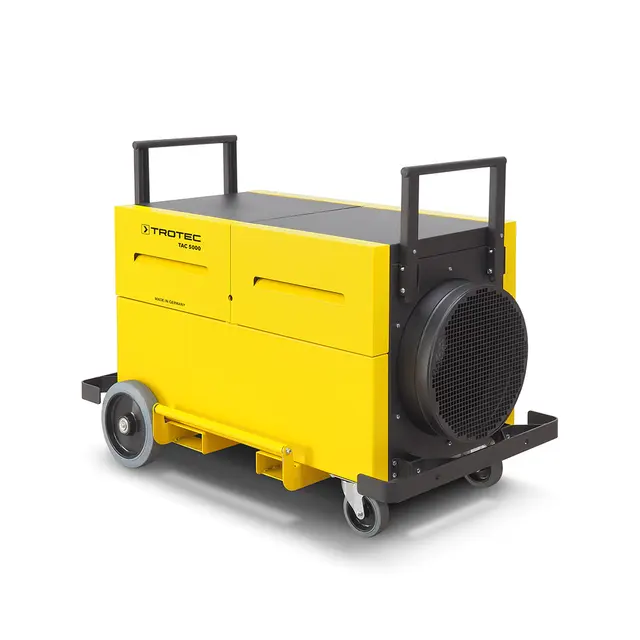
Professional air cleaners
One of a kind and Trotec exclusive: Portable air cleaner with Vario-shift and FlowMatic function for construction sites to cleanrooms.
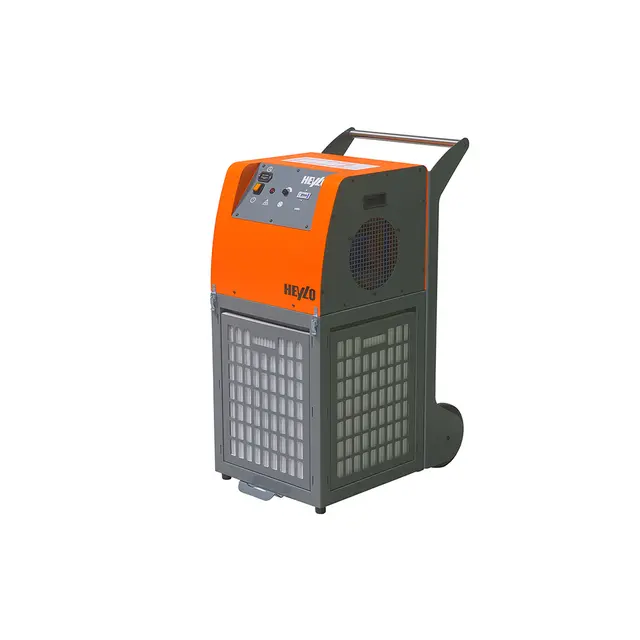
Air cleaner
High-performance filter for dust filtering and dust extraction. Can be closed after use of contaminants. Various filters can be exchanged.
Featured insights
The importance of keeping the atmosphere clean


Discover how air purifiers can significantly improve the air quality for allergy sufferers.

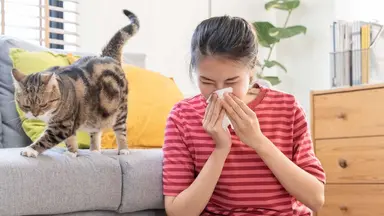
Learn how air purification can greatly improve the indoor air quality for allergy sufferers at all times.
Need help with choosing the right solution? Our team of over 100 climate control experts can assist.
You can also reach out or join the discussion on our Social Media. Check out our LinkedIn page.