
How much money are you losing because of an over-heated warehouse?
- Home
- Insights
- Cooling insights
- How much money are you losing because of an over-heated warehouse?
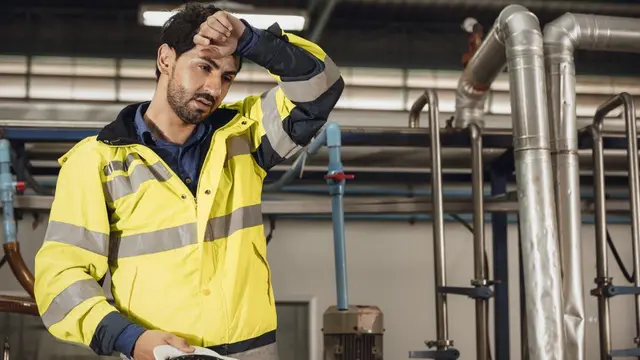
In summer, temperatures inside many industrial and logistics warehouses regularly exceed 30 °C. For many companies, this is still seen as a seasonal inconvenience. However, from an industrial perspective, heat is a structural factor leading to a loss of efficiency.
Here are four hidden factors that reduce your productivity because of heat.
Four hidden factors that reduce your productivity
At Dantherm Group, we have been working for years with logistics operators, plant managers and HSE teams who face the same challenge:
Heat affects people, energy consumption and process reliability all at the same time.
International studies now confirm what we have long observed in the field: heat is not neutral for business, and its impact is measurable at both operational and economic levels.
The 4 invisible heat losses in your warehouse
Loss no. 1: a drop in staff productivity
In real working conditions, the impact of heat does not suddenly appear at 35 °C. It begins much earlier. In industrial premises where the internal temperature consistently exceeds 30 °C, we systematically observe:
- Slower work rates
- More unplanned breaks
- Reduced concentration on repetitive or precision tasks
This is not a matter of perception. It is a well-known physiological effect: the body prioritises thermal self-regulation over performance. Organisations such as the ILO and the OECD confirm this at a macroeconomic level, but in an industrial warehouse the effect translates very clearly into lower output per shift.
In regions where heatwaves are becoming increasingly frequent, this impact is amplified over several months of the year.
Loss no. 2: increased energy consumption (with no real benefit)
Faced with the heat, many industrial units react intuitively:
- More fans
- Spot air conditioning
- Doors left open ‘to let the air in’
The result we see on the ground is almost always the same: more energy is consumed, without achieving a stable or uniform temperature.
In large industrial spaces, the problem lies not so much with the technology as with the solution being ill-suited to the volume of air to be treated. Conventional air-conditioning systems, designed for enclosed and compartmentalised spaces, rapidly lose efficiency in high-ceilinged, large-area industrial buildings – a fact widely documented in energy studies.
Loss no. 3: deterioration of products and equipment
Heat does not only affect people. In sectors such as logistics, packaging, light industry and electronics, we frequently see:
- Quality deviations
- More frequent electronic faults
- Accelerated ageing of equipment
European occupational health and safety agencies emphasise that high temperatures in indoor environments can affect both materials and the technical reliability of equipment.
Loss no. 4: occupational risks and regulatory pressure
Heat stress is now a recognised occupational hazard in some European countries, including in indoor environments.
An increasing number of companies we work with are seeking not only to improve comfort, but also to justify active thermal control measures as part of their occupational health and safety policy.
Data from the Spanish National Institute for Safety and Health at Work (INSST) confirm that exposure to heat affects millions of workers and that workplace accidents increase during periods of extreme heat.
“It’s always been hot in summer” – not with evaporative cooling
For years, it has been taken for granted that ‘it’s always been hot in summer’. This mistake will continue to cost money.
The companies best adapting to the current climate context are those that treat temperature as just another industrial parameter, on a par with energy or safety. Solutions now exist, such as industrial evaporative cooling, which can handle large volumes of air whilst keeping energy consumption very low, and are particularly well-suited to hot climates.
The key: it’s not about cooling more, but about cooling better
It is not about ‘cooling more’, but about cooling in a way that is consistent with the building’s architecture and its actual use.
José María Marcos – Director of Evaporative Cooling Projects at Dantherm Group
Today, there are technologies designed specifically for large industrial spaces, such as evaporative cooling, which allow for:
- Reducing the temperature evenly
- Minimising energy consumption
- Improving conditions without enclosures
Frequently asked questions about heat in industrial buildings (FAQ)
At what temperature does productivity start to decline in an industrial building?
In our experience, the first effects become apparent at 30 °C, with a growing impact above 35 °C, which is consistent with analyses by international organisations on heat stress and work.
Is heat in an industrial building considered an occupational hazard?
Yes, and furthermore, while heat stress has a very real impact on the workforce of today, data predicts that by 2030, the equivalent of more than 2% of total working hours worldwide will be lost every year, either because it is too hot to work or because workers have to work at a slower pace.
Why is air conditioning not usually effective in large industrial buildings?
Because it is not designed for large volumes or for constant air renewal. In such cases, energy consumption rises much faster than the thermal benefit.
If you want to know more about how to fight the heat in industrial buildings and create a healthier work environment, contact us via the form below.
Sources and references
International Labour Organisation (ILO) – Working on a warmer planet (https://www.ilo.org/publications/major-publications/working-warmer-planet-effect-heat-stress-productivity-and-decent-work)
World Health Organisation (WHO) / WMO – Heat stress at work (https://www.who.int/publications/i/item/9789240099814)
EU-OSHA – Heat at work: guidance for workplaces (https://oshwiki.osha.europa.eu/en/themes/heat-work-guidance-workplaces)
INSST (Spain) – INSST and AEMET present a project to prevent the risks posed by high temperatures in outdoor work https://www.insst.es/el-insst-y-la-aemet- presentan-un-proyecto-para-prevenir-los-riesgos-por-altas-temperaturas-en-los-trabajos-al-aire-libre
OECD – Heat stress and productivity (https://www.oecd.org/en/publications/the-heat-is-on-heat-stress-productivity-and-adaptation-among-firms_19d94638-en.html)


Related products
Evaporative coolers
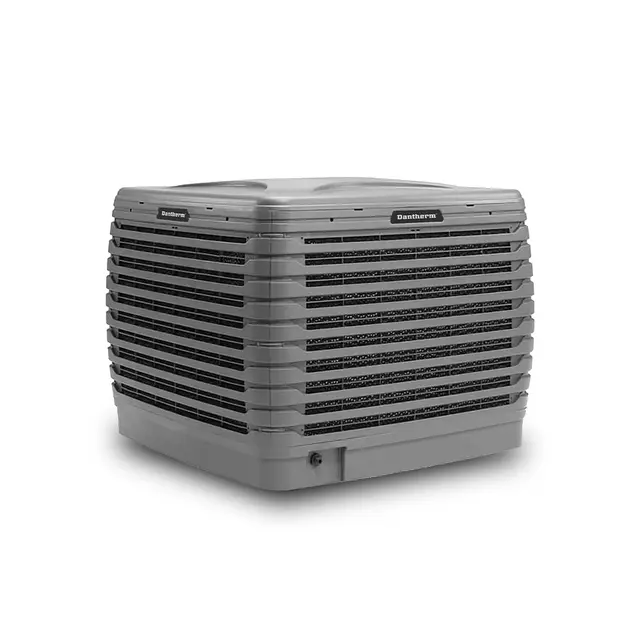
Green and cost-efficient cooling unit ideal for industrial spaces. Max. air flow of 18,000m³/h and axial inverter fan.
Evaporative coolers
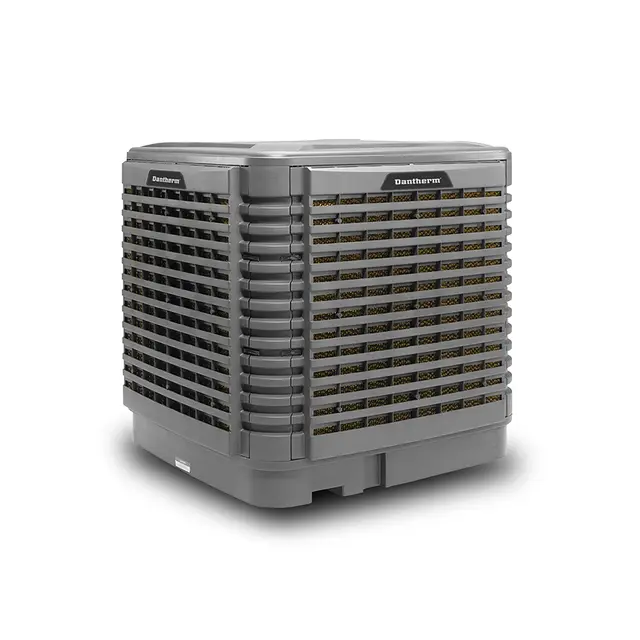
Green and cost-efficient air cooling unit ideal for industrial spaces. Axial fan and a max. air flow of 30,000m³/h.
Portable air coolers
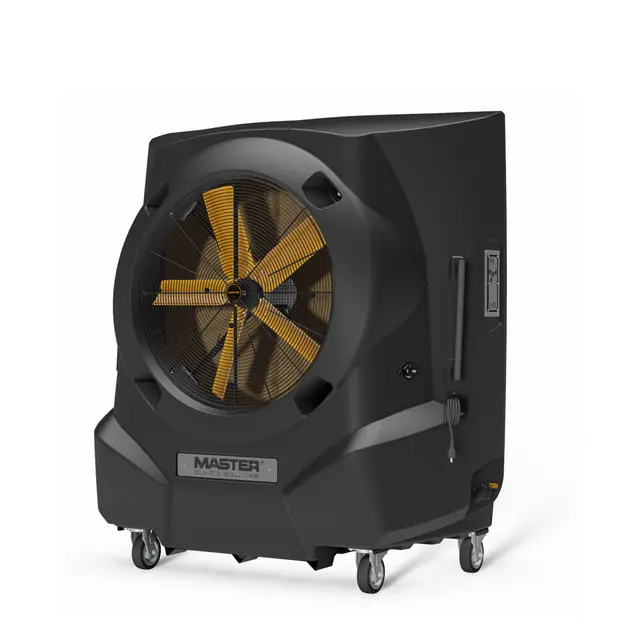
Green and cost-effective cooling unit with integrated UV light. Ideal for open and semi-open spaces of up to 400m².
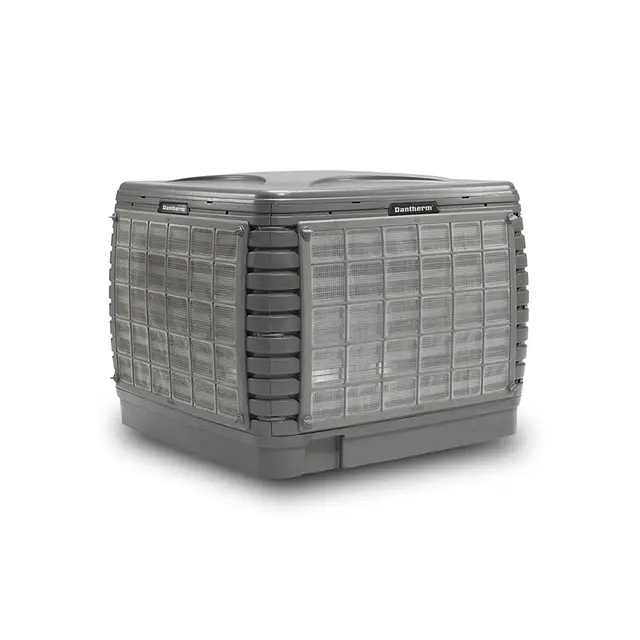
Extractor
Green and cost-efficient air extractor ideal for industrial spaces. Max. air flow of 18,000m³/h.
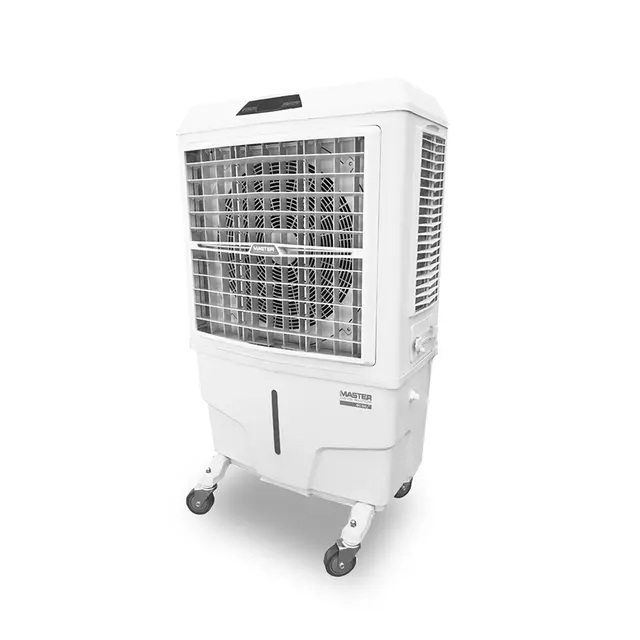
Evaporative coolers
Green and cost-effective natural cooling solution ideal for open and semi-open spaces of up to 180m².
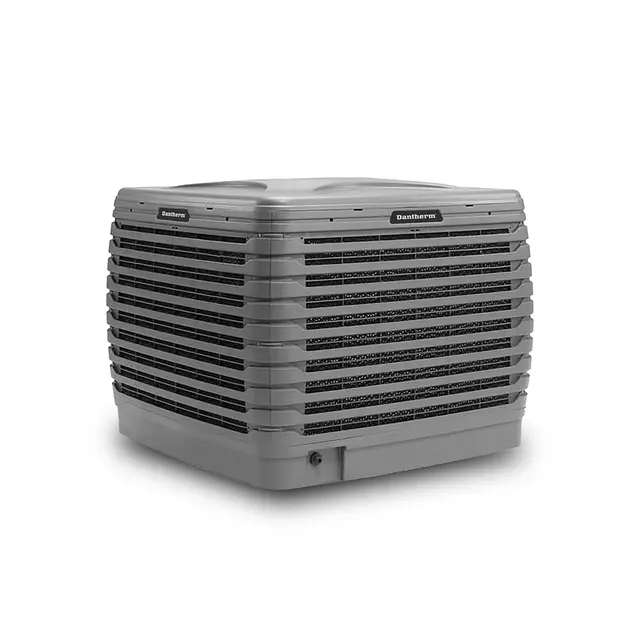
Evaporative coolers
Green and cost-efficient cooling unit ideal for industrial areas. Max. air flow 18,000m³/h, centrifugal inverter fan.
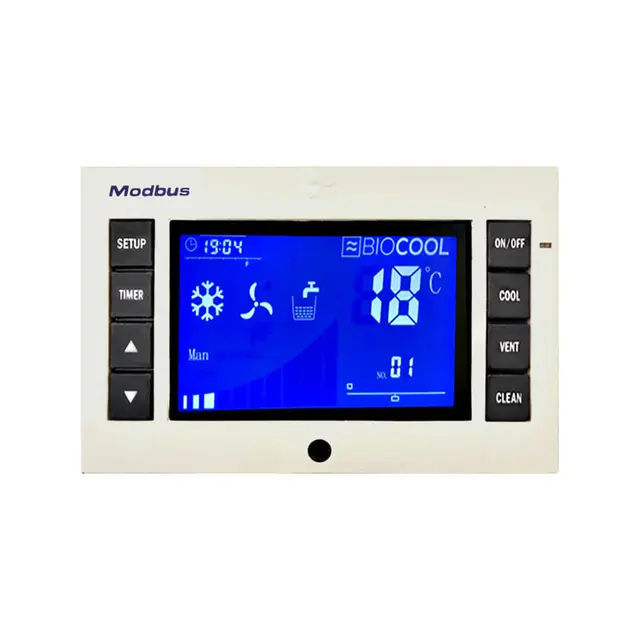
Remote climate control for BIO air coolers
Controlling up to 10 units at a time this advanced system transfers humidity and ambient temperature data to a local management site.
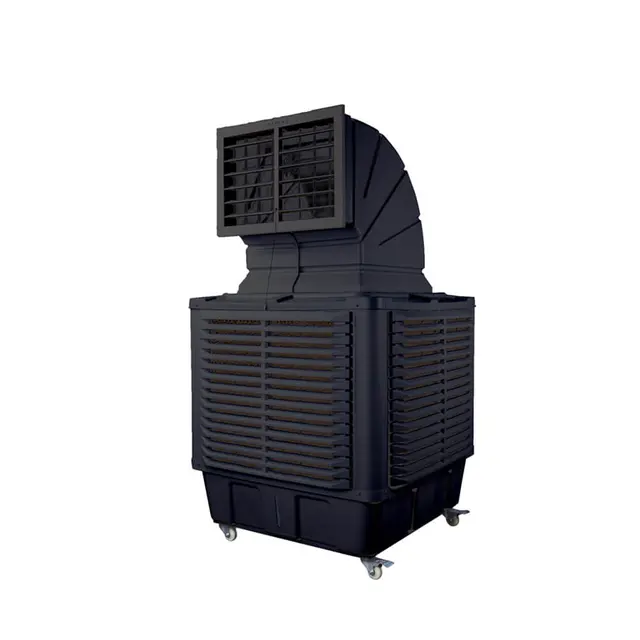
Portable air coolers
Ideal for events and festivals, the BCB 19 offers ductable air flow and power enough for spaces up to 400m².
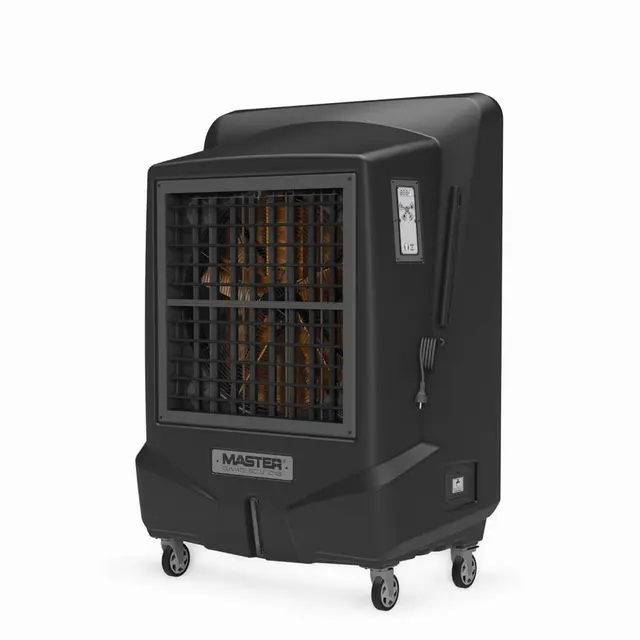
Portable air coolers
Green and cost-effective cooling unit with integrated UV light. Ideal for open and semi-open spaces of up to 250m².
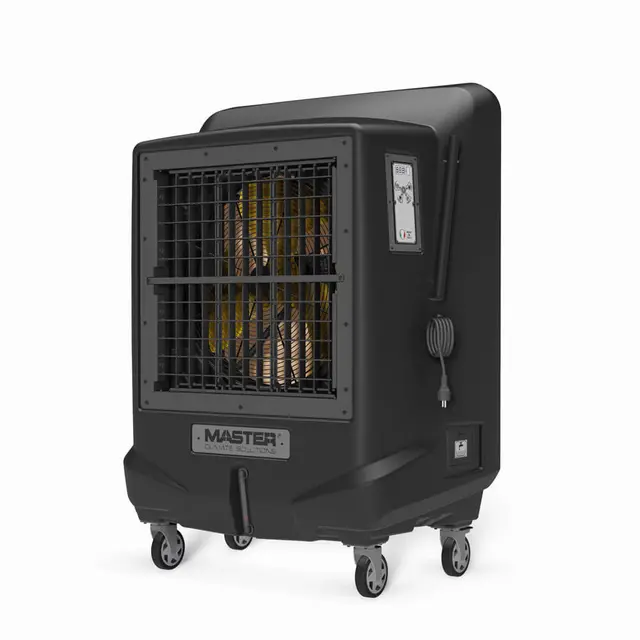
Portable air coolers
Green and cost-effective cooling unit with integrated UV light. Ideal for open and semi-open spaces of up to 150m².
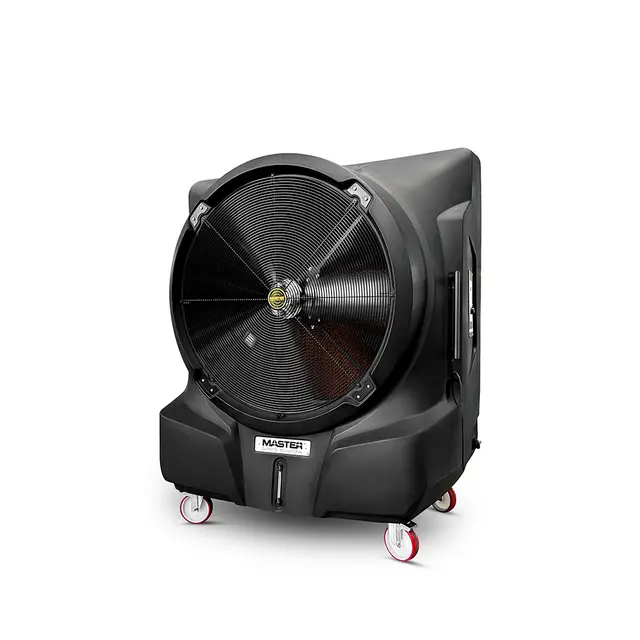
Portable air coolers
Green and cost-effective cooling unit with integrated UV light. Ideal for open and semi-open spaces of up to 520m².
Featured insights
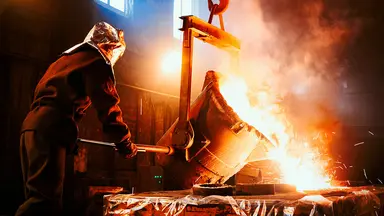
This article explores why factories and industrial facilities worldwide choose evaporative coolers for efficient, effective, and consistent temperature control.

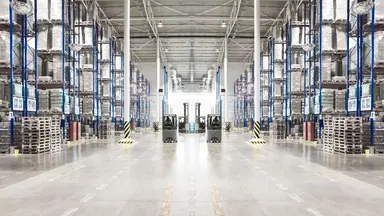
In industrial and logistics warehouses, heat is no longer managed as an occasional nuisance.

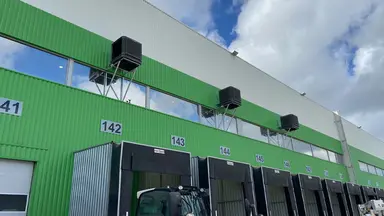
At this warehouse on the outskirts of Paris, workers enjoy a comfortable work climate, while saving energy.

Need help with choosing the right solution? Our team of over 100 climate control experts can assist.
You can also reach out or join the discussion on our Social Media. Check out our LinkedIn page.