
Industrial evaporative cooling in industrial premises: costs and payback period
- Home
- Insights
- Cooling insights
- Industrial evaporative cooling in industrial premises: costs and payback period
The cost of industrial cooling is no longer measured solely in euros
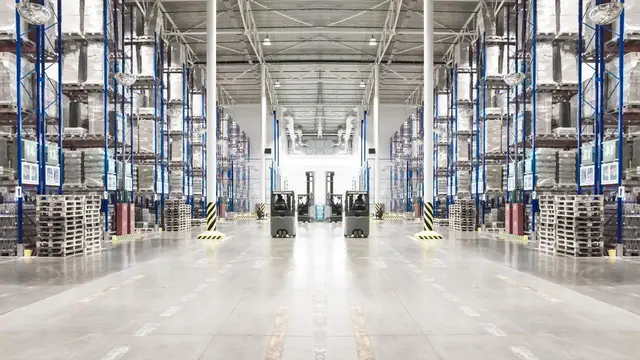
In industrial and logistics warehouses, heat is no longer managed as an occasional nuisance. In summer, when many facilities exceedmanaged as an occasional nuisance. In summer, when many facilities exceed 30–35 °C for several months, cooling has become a recurring economic issue.
Therefore, when evaluating an industrial evaporative cooling solution, the real question is not whether it works, but:
- What investment it requires
- What impact it has on operating costs
- How long it takes to pay for itself
How much does an industrial evaporative cooling system cost?
An industrial evaporative cooling system is designed according to the specific building’s air volume, the actual use of the building and the duration of operation in summer.
Two buildings with the same floor area may have different costs if:
- the height is different
- the air change rate is not the same
- the number of people present varies
Approximate cost of installation
* Indicative ranges based on actual industrial projects. The final cost depends on the required air flow rate, the height and thermal loads.
Energy consumption: the real key to cost
In large industrial buildings like warehouses, energy costs are the factor with the greatest impact in the medium term. Unlike conventional air conditioning, evaporative cooling:
- operates at high flow rates
- continuously refreshes the air
- keeps electricity consumption low
This explains why many companies are moving away from comparing solutions based solely on the initial price and are starting to analyse them in terms of their total cost of ownership.
How long does it take for the investment to pay for itself?
The payback depends on the actual use of the facility, not just the technology. Some fairly clear patterns can be observed depending on the activity:
Standard repayment terms
These timeframes are due to a combination of:
- energy saving
- reduction in operational inefficiencies
- improved working conditions
The economic impact of heat on productivity is widely documented by international organisations, which helps to explain these returns.
Assess your investment using real data
Speak directly to an expert in industrial evaporative cooling.
Evaporative cooling vs air conditioning - which one is more viable?
In industrial buildings, the comparison is not technological, but structural.
- Air conditioning is designed for enclosed, compartmentalised spaces.
- Evaporative cooling is designed for large spaces with constant air renewal.
Therefore, in large, open-plan industrial buildings, the question is not “which cools more effectively”, but rather: Which solution is viable and sustainable on an industrial scale?
Evaporative cooling is particularly effective in hot and/or dry or moderately humid regions.
When the climate is right, the number of operating days per year clearly speeds up the return on investment compared with solutions that consume more electricity.
Frequently Asked Questions
How low can the indoor temperature go?
Usually between 7 and 20 °C, depending on outdoor conditions and the system design.
Does it work in humid areas?
Yes. Although it is more efficient in dry climates, modern industrial systems maintain good performance in moderately humid conditions.
Is it suitable for large logistics warehouses?
Yes. This is one of its most common applications, precisely because of its ability to handle large volumes while keeping energy consumption low.
Is maintenance complicated?
No. Maintenance is straightforward and requires less effort than with traditional air-conditioning systems.
Can you help with health and safety compliance?
Yes. More and more companies are using it as a structural measure to control thermal stress.
Industrial evaporative cooling is neither a “cheap” nor an “alternative” solution. It is a sound solution from an industrial perspective, when investment, energy consumption and actual usage are analysed together. In many industrial premises, payback is no longer merely a theoretical concept but a measurable operational outcome.
Sources and references
International Energy Agency (IEA)
The Future of Cooling
https://www.iea.org/reports/the-future-of-cooling
European Commission – Energy Efficiency in Buildings & Industry
Energy consumption and efficiency in industrial buildings
https://energy.ec.europa.eu
OECD – Organisation for Economic Co‑operation and Development
Heat, productivity and economic impact on businesses
https://www.oecd.org/en/publications/the-heat-is-on-heat-stress-productivity-and-adaptation-among-firms_19d94638-en.html
ASHRAE – HVAC Applications Handbook (Large industrial spaces)
https://www.ashrae.org/technical-resources/ashrae-handbook
Do you have an industrial unit with heat-related problems?
Contact us via the form below.


Related products
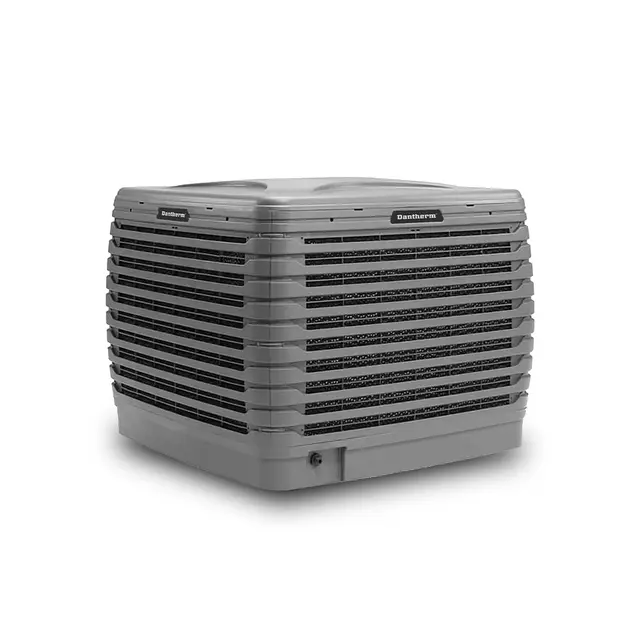
Evaporative coolers
Green and cost-efficient cooling unit ideal for industrial spaces. Max. air flow of 18,000m³/h and axial inverter fan.
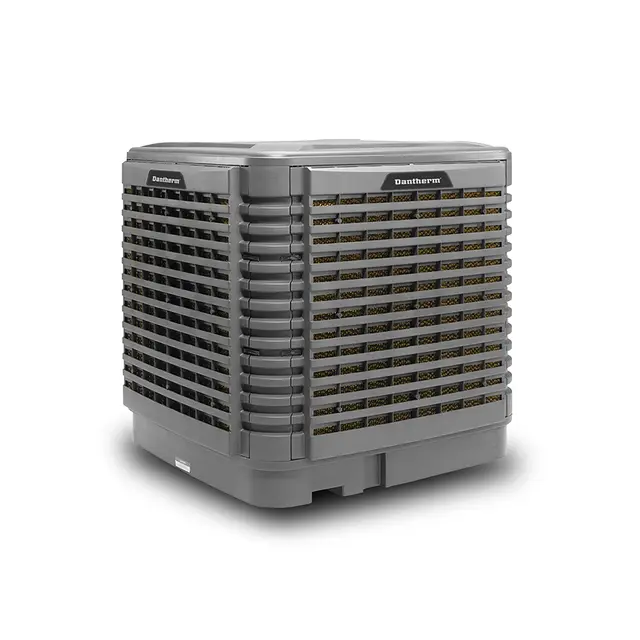
Evaporative coolers
Green and cost-efficient air cooling unit ideal for industrial spaces. Axial fan and a max. air flow of 30,000m³/h.
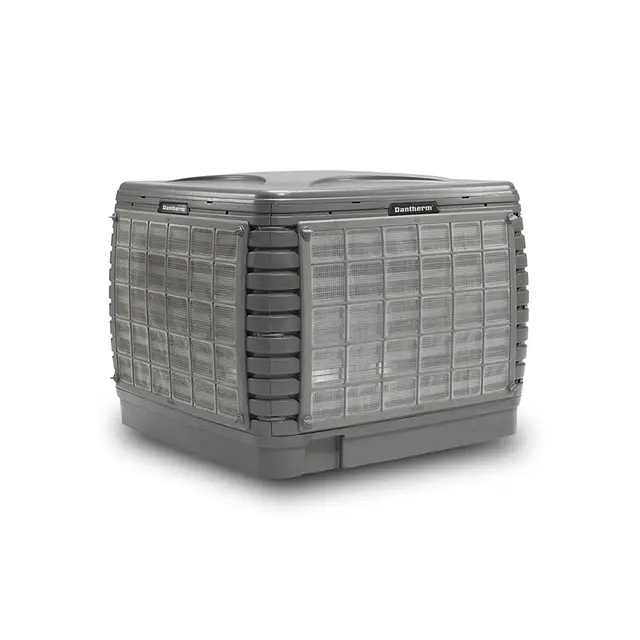
Extractor
Green and cost-efficient air extractor ideal for industrial spaces. Max. air flow of 18,000m³/h.
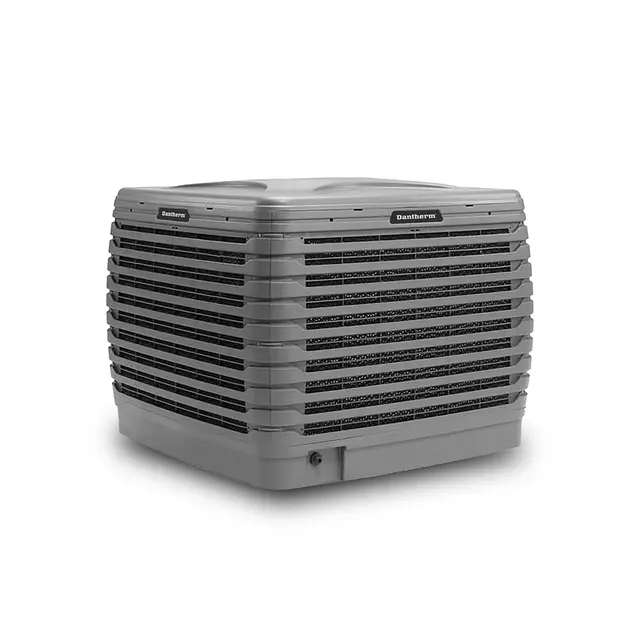
Evaporative coolers
Green and cost-efficient cooling unit ideal for industrial areas. Max. air flow 18,000m³/h, centrifugal inverter fan.
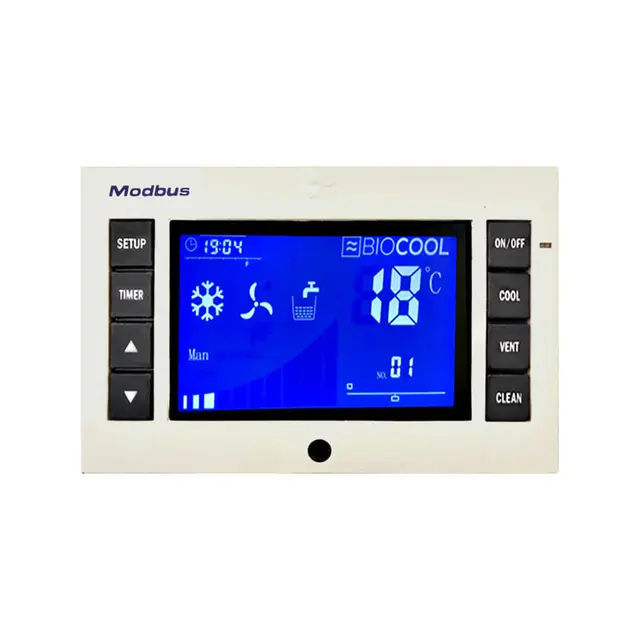
Remote climate control for BIO air coolers
Controlling up to 10 units at a time this advanced system transfers humidity and ambient temperature data to a local management site.
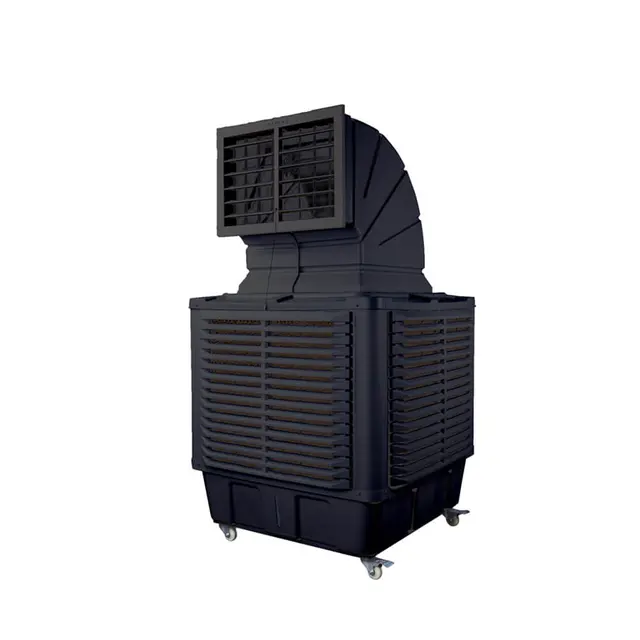
Portable air coolers
Ideal for events and festivals, the BCB 19 offers ductable air flow and power enough for spaces up to 400m².
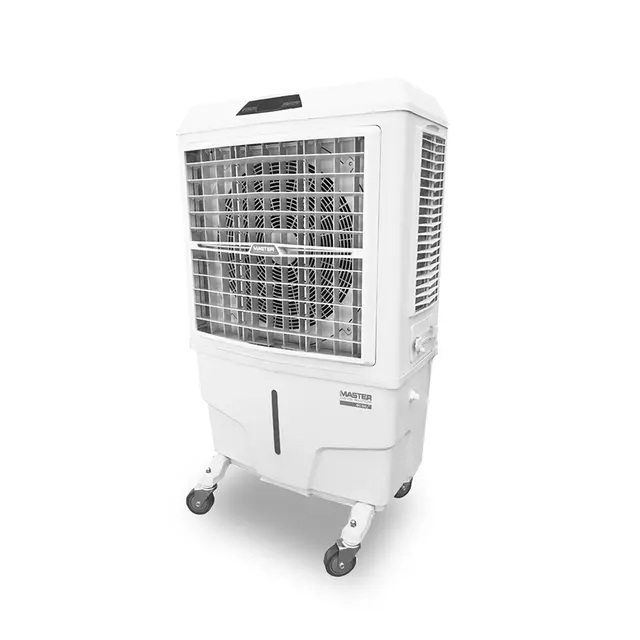
Evaporative coolers
Green and cost-effective natural cooling solution ideal for open and semi-open spaces of up to 180m².
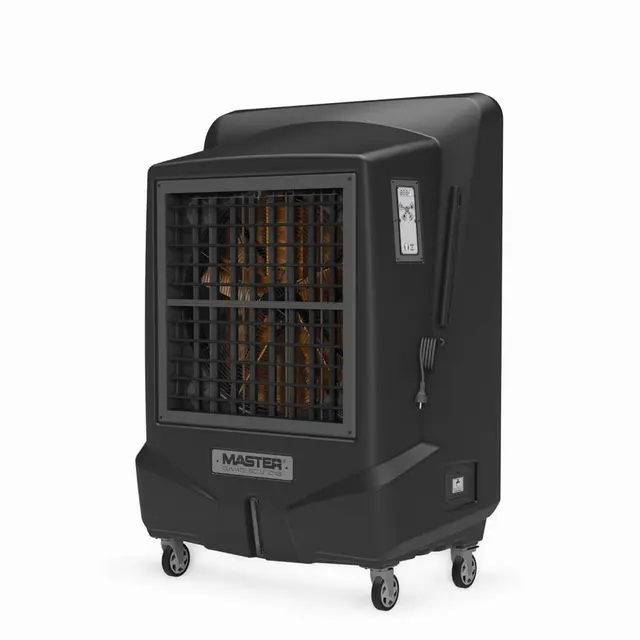
Portable air coolers
Green and cost-effective cooling unit with integrated UV light. Ideal for open and semi-open spaces of up to 250m².
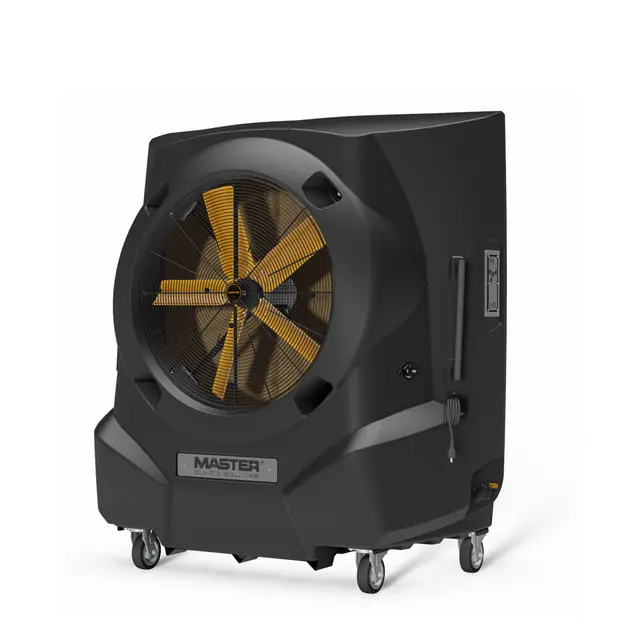
Portable air coolers
Green and cost-effective cooling unit with integrated UV light. Ideal for open and semi-open spaces of up to 400m².
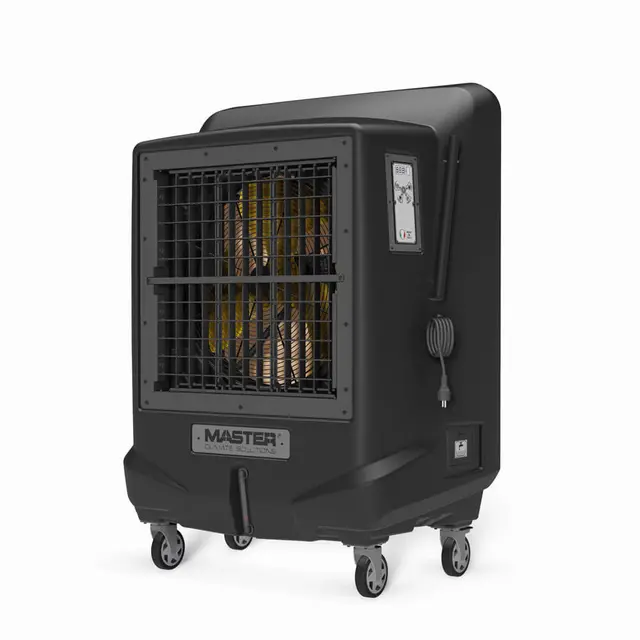
Portable air coolers
Green and cost-effective cooling unit with integrated UV light. Ideal for open and semi-open spaces of up to 150m².
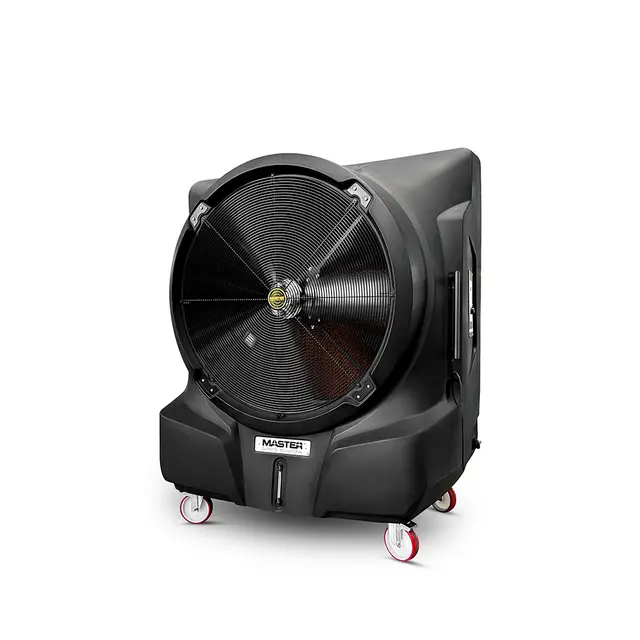
Portable air coolers
Green and cost-effective cooling unit with integrated UV light. Ideal for open and semi-open spaces of up to 520m².
Featured insights
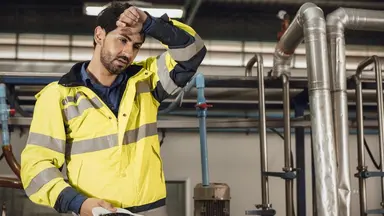
Four hidden factors that reduce your productivity because of heat.

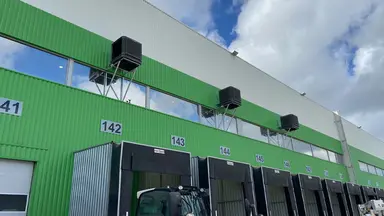
At this warehouse on the outskirts of Paris, workers enjoy a comfortable work climate, while saving energy.


Ensuring a pleasant indoor climate for students and teachers.

Need help with choosing the right solution? Our team of over 100 climate control experts can assist.
You can also reach out or join the discussion on our Social Media. Check out our LinkedIn page.