
How EU F-gas regulations are reshaping dehumidification

- Home
- Insights
- Humidity control and drying
- How EU F-gas regulations are reshaping dehumidification
A quick guide for dealers and building engineers
The transition from R407C to R454C is not a disruption – it is a well-managed and necessary evolution. For Dantherm Group's dehumidifier and A/C product lines, R454C will deliver the performance dealers and end-users expect, with a GWP more than 90% lower than the refrigerant it replaces. The products are designed for seamless adoption; the regulatory compliance benefit is immediate and long-lasting.
Building engineers specifying humidity control systems should consider refrigerant GWP as a standard design criterion alongside energy efficiency and capacity. Equipment specified today will be in service for ten to twenty years. Choosing R454C-based systems now ensures that investment remains compliant and serviceable.
Dealers should ensure that their service teams are familiar with the properties of R454C, that refrigerant stock is updated accordingly, and that end-users are informed of the transition and its environmental benefits.
If you specify, sell, or install condensation dehumidifiers, you are probably already aware of the significant regulatory shift now underway across Europe. The European Union's updated fluorinated greenhouse gas regulation – Regulation (EU) 2024/573 – is accelerating the phase-out of many synthetic refrigerants, including R407C, which has been used as the refrigerant in condensation dehumidifiers since the mid-90s. For Dantherm Group, this largely means a transition to the F-gas R454C with a much lower global warming potential, and, in a next step, completely transitioning to natural refrigerants, which is already used in some products.
This article explains what the regulation requires, what it means in practice for manufacturers like Dantherm Group, and how the industry is navigating the transition to a new generation of lower-impact refrigerants.
What the EU F-Gas regulation requires
Regulation (EU) 2024/573, which entered into force in March 2024, replaces the previous F-gas Regulation (EU) No 517/2014 and significantly tightens restrictions on fluorinated greenhouse gases commonly known as F-gases. The regulation operates through two main mechanisms: 1) a phase-down of the F-gas subgroup, HFC, and 2) sector-specific placement bans for equipment using refrigerants with high global warming potential (GWP).
The key milestones relevant to dehumidifier and cooling manufacturers are:
- 2025: Restrictions on new equipment using refrigerants with a GWP above 750 apply to a broadening range of product categories.
- 2027–2030: Progressive tightening of HFC quotas across the EU market, reducing the total volume of high-GWP refrigerants available for sale.
- 2032–2050: Increasingly comprehensive restrictions will, practically, eliminate most high-GWP synthetic refrigerants from new equipment across virtually all sectors.
- After 2050: Natural refrigerants with ultra-low or zero GWP will be used.
The regulation's overarching goal is to reduce F-gas emissions by approximately 98% compared to 2015 levels by 2050, effectively ending the era of high-GWP synthetic refrigerants in European markets.
Dantherm Group will, by 2032, have transitioned to natural refrigerants in 95% of our products.
For dealers, this matters because equipment using non-compliant refrigerants will become increasingly difficult and expensive to service as refrigerant supply is curtailed. For building engineers, specifying compliant equipment today is essential to ensure that a building's HVAC and dehumidification infrastructure remains serviceable throughout its design life.
How condensation dehumidifiers and coolers work
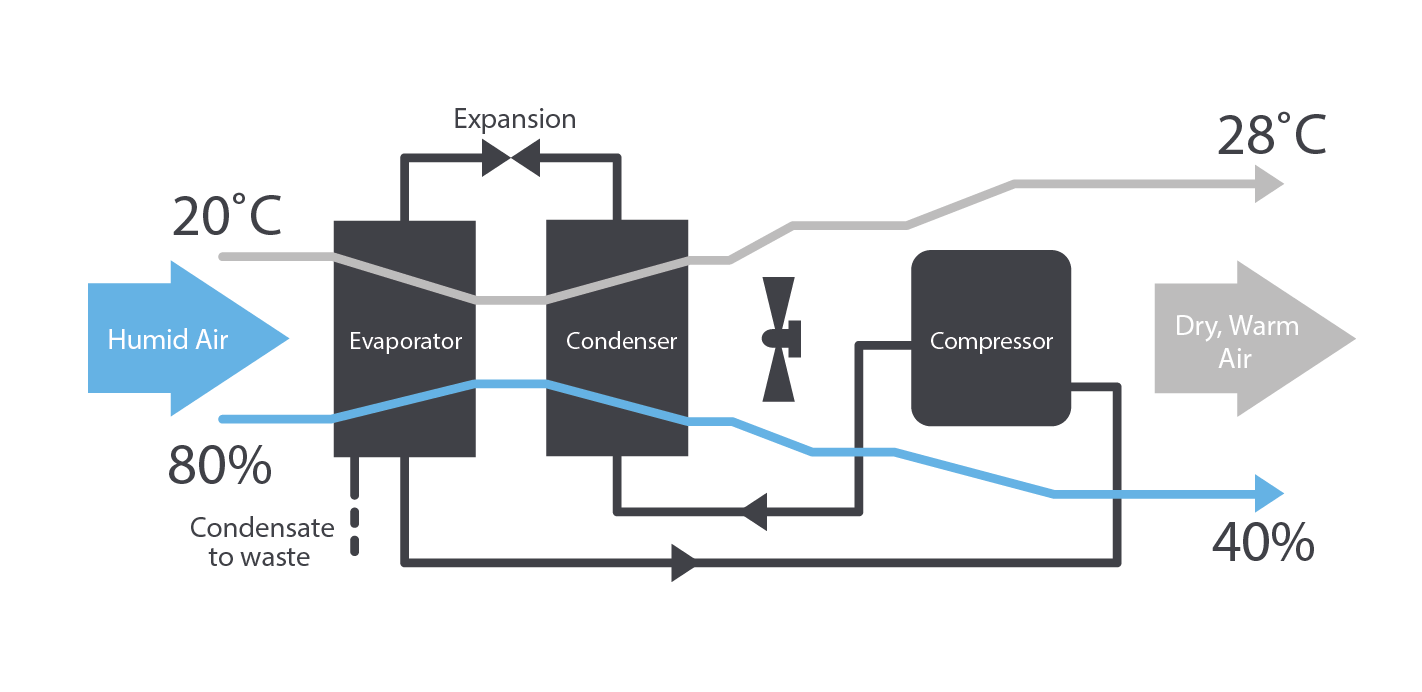
A condensation dehumidifier operates on the same thermodynamic cycle as a refrigerator or air conditioner. Warm, humid air is drawn across an evaporator coil, which is kept cold by the expansion of a liquid refrigerant. As the air cools below its dew point, moisture condenses on the coil and drains away. The now-dry, slightly warmed air is returned to the room. The refrigerant absorbs the heat from the air, is compressed, releases that heat through a condenser coil, and the cycle repeats.
The efficiency and operating range of this cycle are determined almost entirely by the thermodynamic properties of the refrigerant: its boiling point, latent heat of vaporisation, and behaviour under pressure. Choosing the right refrigerant is therefore a fundamental engineering decision.
Why F-gases became the industry standard, and why they must go
Synthetic refrigerants – chlorofluorocarbons (CFCs), hydrochlorofluorocarbons (HCFCs), and hydrofluorocarbons (HFCs) – were developed from the 1920s onward and rapidly became the preferred choice for refrigeration and air conditioning worldwide. The reasons were compelling: they are non-flammable, non-toxic, chemically stable, and thermodynamically excellent. They enabled reliable, efficient, and safe refrigeration at commercial scale.
However, these properties come at a serious environmental cost, measured by two key indicators:
Ozone depletion potential (ODP) measures a substance's capacity to destroy stratospheric ozone relative to the reference compound CFC-11 (ODP = 1). CFCs and HCFCs have significant ODP values, which is why they were phased out under the 1987 Montreal Protocol. HFCs – the generation that replaced them, including R407C – have an ODP of zero, meaning they do not damage the ozone layer.
Global warming potential (GWP) measures how much heat a gas traps in the atmosphere over 100 years, relative to CO₂ (GWP = 1). This is where HFCs, including R407C, present a serious problem. R407C has a GWP of 1,774, meaning that one kilogram of R407C released into the atmosphere has the same climate impact as 1,774 kilograms of CO₂. Even small leaks during servicing, installation, or equipment end-of-life can represent a significant greenhouse gas emission event. The Kyoto Protocol, adopted in 1997, entered into force in 2005 and now Regulation (EU) 2024/573 are regulating the GWP of F-gases.
In summary: synthetic refrigerants solved one environmental problem (ozone depletion) while creating another (climate change). The current regulatory wave is dealing with that trade-off.
The alternatives: natural refrigerants and their limitations
The obvious question is: why not simply return to natural refrigerants? Substances like propane (R290), ammonia (R717), and carbon dioxide (R744) have very low or zero GWP and have been used in refrigeration for well over a century.
The answer is that each comes with significant drawbacks that make universal adoption complicated:
Propane (R290) has excellent thermodynamic properties and a GWP of just 3, but it is highly flammable. Its use requires strict safety measures regarding charge size limits, installation environments, and servicing procedures. Regulations limit the refrigerant charge to small quantities in many applications, constraining the cooling capacity of propane-based systems.
Ammonia (R717) is arguably the most thermodynamically effective refrigerant available and has a GWP of zero, but it is toxic at concentrations above a few hundred parts per million. Its use is largely confined to industrial refrigeration where trained personnel are present and dedicated safety systems can be installed. It is not appropriate for use in occupied buildings without significant engineering controls.
Carbon dioxide (R744) has a GWP of 1 and is non-toxic and non-flammable, but it must operate at very high pressures – up to 150 bar – compared to the 15–25 bar typical of HFC systems. This requires significantly more robust and expensive components, adding cost and complexity, particularly for smaller commercial applications.
Shifting to natural refrigerants is the ultimate goal, and some products are already using propane. However, in order to make a smooth transition for both dehumidifier production and installers, Dantherm Group will initially be using the synthetic R454C for commercial dehumidifiers and coolers.
A note on desiccant dehumidifiers
Condensation dehumidifiers are not the only technology available for humidity control. Desiccant dehumidifiers use hygroscopic materials, typically silica gel, to absorb moisture from the air, which is then driven off by a heated regeneration airstream. Because they contain no refrigerant, they sidestep the F-gas issue entirely.
However, desiccant dehumidifiers are not a straightforward substitute in most applications. They consume significantly more electric energy than condensation units, particularly in moderate temperature and humidity conditions where condensation technology performs very efficiently. They also require more complex installation, commissioning, and maintenance, as well as careful system design to manage the airstream. For swimming pool halls, residential applications, and many commercial buildings, the energy consumption and technical demands of desiccant systems make them impractical as a like-for-like replacement.
The transition to R454C: What it means for Dantherm Group and its products
Given the limitations of natural refrigerants and the regulatory necessity of moving away from high-GWP HFCs, the industry has turned to a new generation of blended refrigerants engineered to maintain good thermodynamic performance while dramatically reducing GWP.
Dantherm Group is transitioning its condensation dehumidifier product lines from R407C to R454C. This affects almost all dehumidifiers.
R454C carries a GWP of just 148, compared to 1,774 for R407C, and it has an ODP of zero.
This makes it compliant with the Regulation (EU) 2024/573 and future-proof for at least a foreseeable time.

The trade-off is a modest reduction in thermodynamic efficiency at elevated operating temperatures. R454C is slightly less effective than R407C in high-temperature conditions, which may require minor adjustments to system sizing in certain applications. However, for the vast majority of dehumidification use cases, including swimming pools, basements, storage facilities, and commercial interiors, R454C delivers performance that is fully adequate, with a dramatically reduced environmental footprint.
For dealers, this transition is straightforward: Dantherm Group's R454C-equipped products are designed as drop-in successors to their R407C predecessors. Service engineers will need to be aware of the refrigerant change when ordering replacement parts and refrigerant, but operational and maintenance procedures remain essentially unchanged.
For dealers, this transition is straightforward: Dantherm Group's R454C-equipped products can immediately replace their R407C predecessors. Service engineers will need to be aware of the refrigerant change when ordering replacement parts and refrigerant, and, because R454C is a so-called A2L refrigerant, characterised by mild flammability, it needs an ATEX zone to ensure a non-explosive environment. The ATEX zone is only needed when charging and discharging the equipment with the A2L refrigerant, not during daily use.
For building engineers, specifying Dantherm Group equipment with R454C now ensures that dehumidification infrastructure installed today will comply with EU regulations and will not be subject to refrigerant supply restrictions or cost escalation as R407C quotas are progressively reduced.
Dantherm Group's broader refrigerant strategy: Propane in extreme environments
A diverse product strategy results in different solutions. Some of Dantherm Group's tent and container coolers, such as the AC-M11 and AC-M18, developed for humanitarian relief and military deployments, will use propane (R290) – a natural refrigerant with a GWP of just 3.
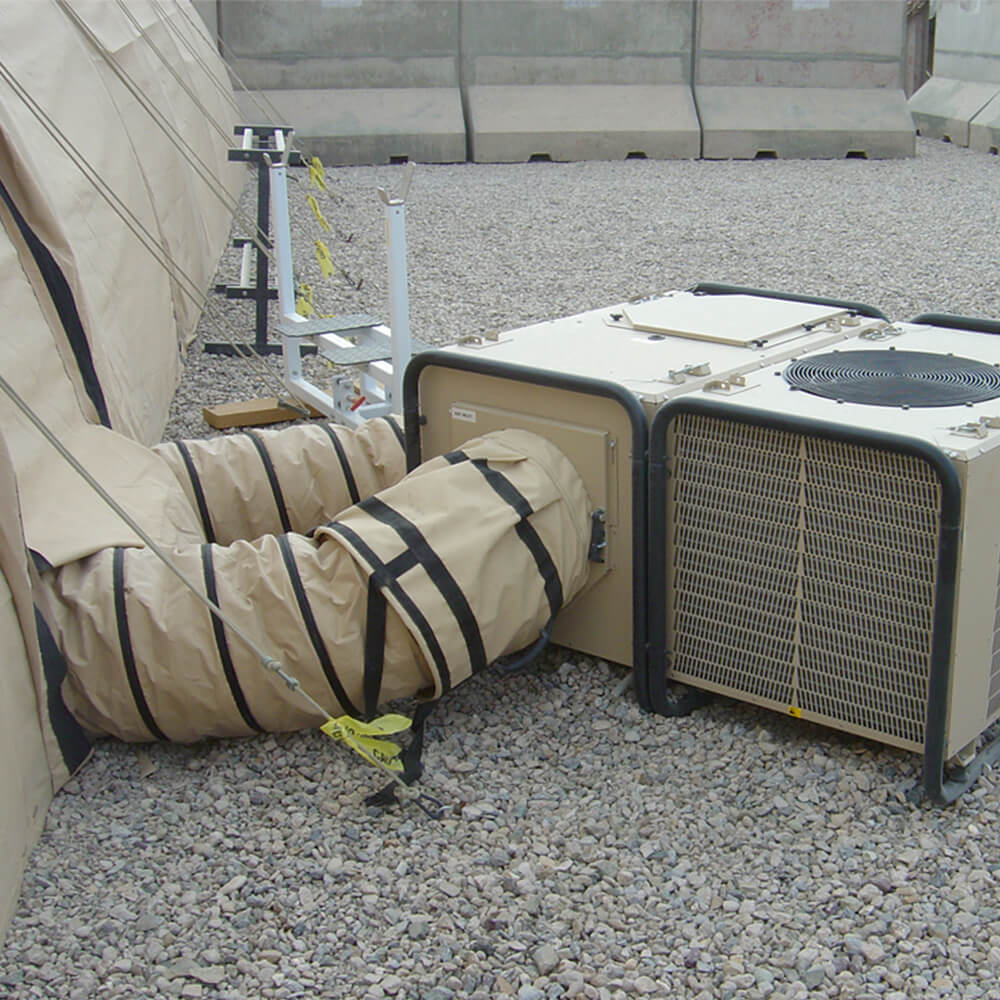
In these specialist applications, the flammability of propane is managed through engineering design rather than avoided. Military-grade coolers are tested for mechanical shock and vibration in accordance with the MIL-STD-810 standard, which validates that the refrigeration circuit is sufficiently robust to withstand demanding operational environments without leakage. This approach demonstrates that natural refrigerants can be used safely when the application demands it and when the engineering response to their specific hazards is properly designed.
A historical footnote: Where refrigeration began, and where it is going
There is a certain irony in the current regulatory moment.
19th century: The history of mechanical refrigeration began with natural refrigerants. Ammonia, CO₂, and sulphur dioxide powered the first commercial refrigeration systems in the late nineteenth century.
In the 1920s: Chemists at General Motors and DuPont synthesised the first CFCs (chlorofluorocarbons) specifically to replace the toxic and flammable substances then in use. CFCs and their successors were an extraordinary engineering achievement: non-toxic, non-flammable, stable, and efficient. They made domestic refrigerators safe and air conditioning ubiquitous. The environmental consequences, however, were not understood for decades.
1987: The Montreal Protocol phased out CFCs and HCFCs to protect the ozone layer.
1997: The Kyoto Protocol targeted HFCs for their climate impact.
2024: Regulation (EU) 2024/573 is completing the work that those agreements began.
By 2050: The refrigeration industry will have made a full circle: from natural refrigerants, through a century-long detour via synthetic chemistry, and back to natural refrigerants – this time driven by environmental concern. The synthetic refrigerants in between solved the problems of their era. The challenge now is to solve the problems they created, with the same ingenuity.
For more information, feel free to contact us using the below form or by reaching out to a location near you.


Related products
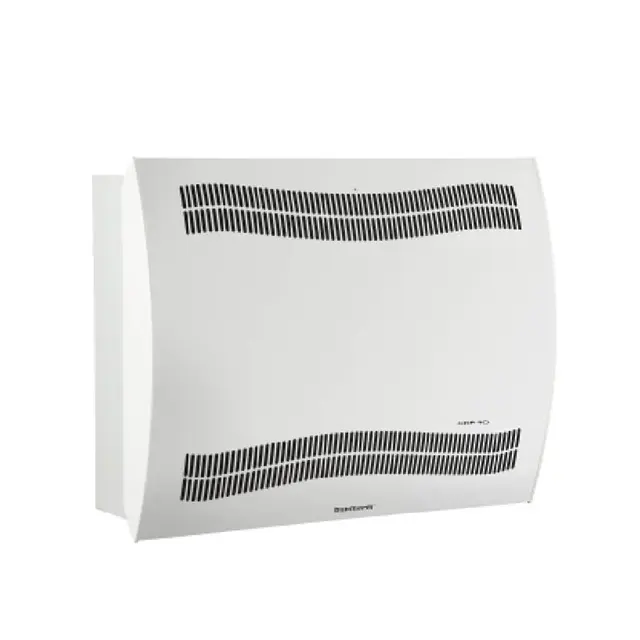
Wall-mounted/floor-standing swimming pool dehumidifiers
The wall-mounted or floor-standing CDP 40 condensation dehumidifiers have been designed to blend well with any modern pool interior.
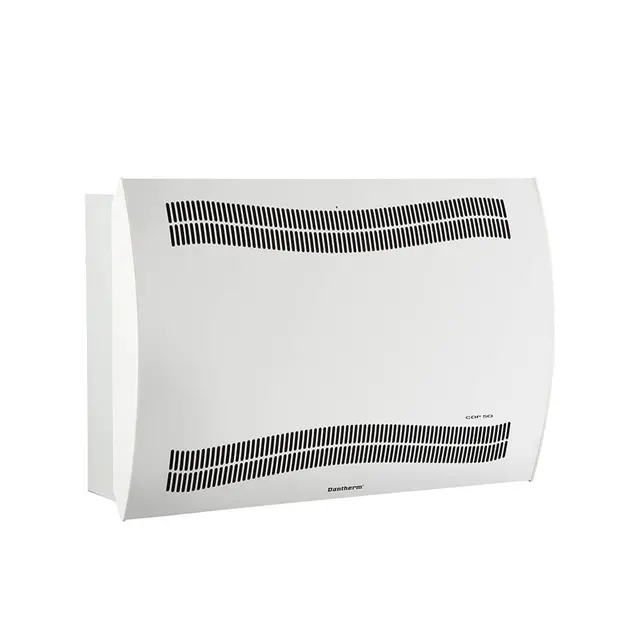
Wall-mounted/floor-standing swimming pool dehumidifiers
The wall-mounted or floor-standing CDP 50 condensation dehumidifiers have been designed to blend well with any modern pool interior.
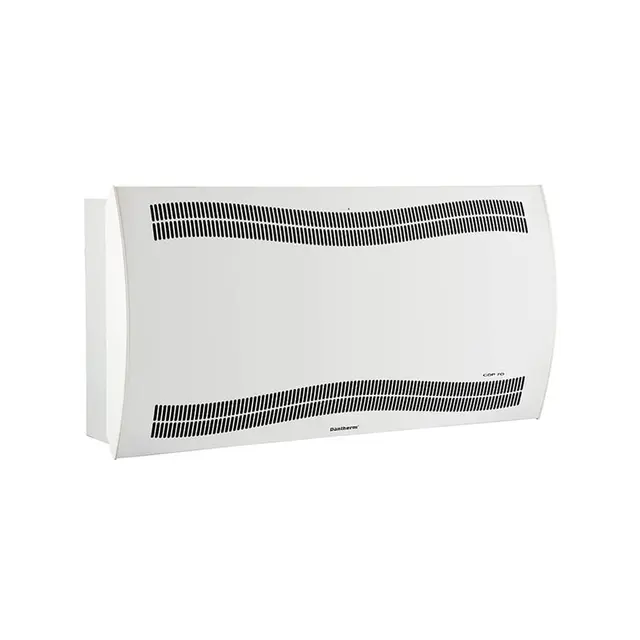
Wall-mounted/floor-standing swimming pool dehumidifiers
The wall-mounted or floor-standing CDP 70 condensation dehumidifiers have been designed to blend well with any modern pool interior.
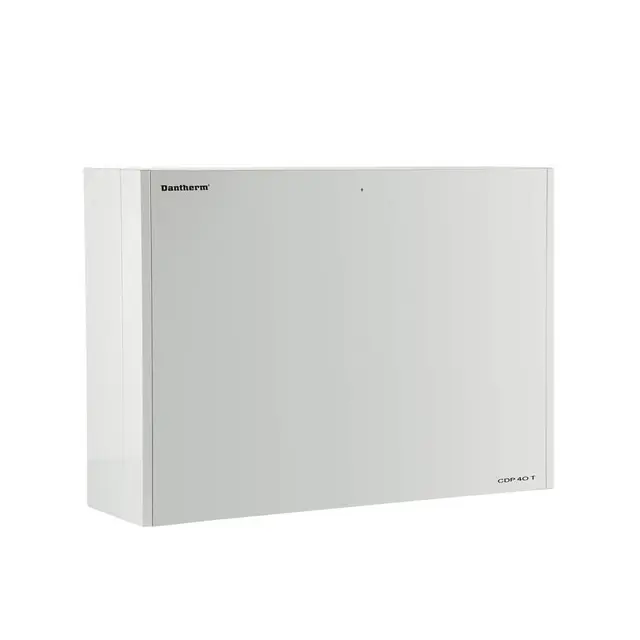
Wall-mounted swimming pool dehumidifiers
The CDP 40T condensation dehumidifiers have been designed for through-the-wall mounting in your swimming pool plant room.
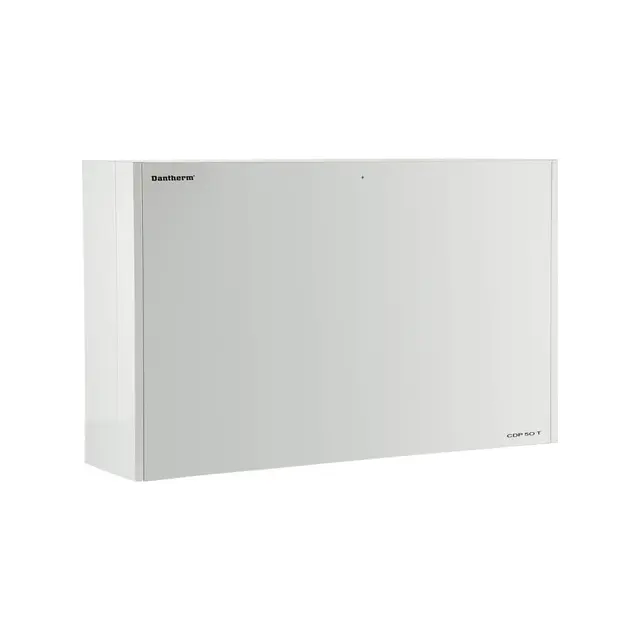
Wall-mounted swimming pool dehumidifiers
The CDP 50T condensation dehumidifiers have been designed for through-the-wall mounting in your swimming pool plant room.
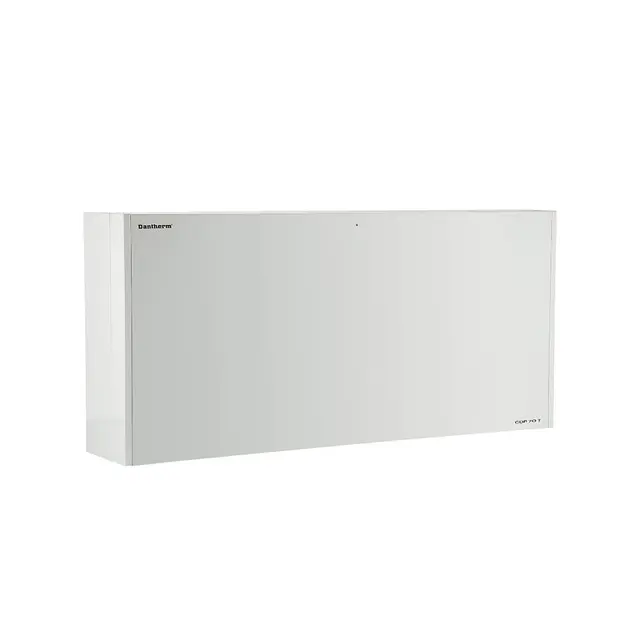
Wall-mounted swimming pool dehumidifiers
The CDP 70T condensation dehumidifiers have been designed for through-the-wall mounting in your swimming pool plant room.
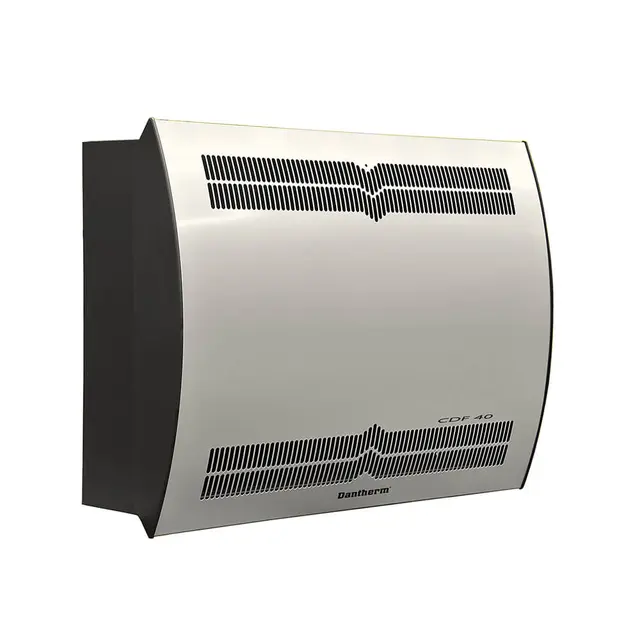
Wall-mounted/floor-standing dehumidifiers
The energy-efficient and quiet CDF range of powerful dehumidifiers is ideal for preserving and protecting your valuables from humidity damage.
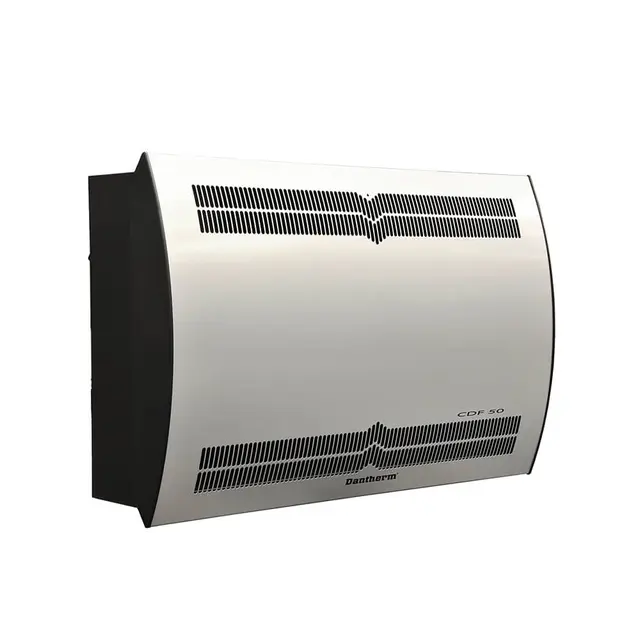
Wall-mounted/floor-standing dehumidifiers
The energy-efficient and quiet CDF range of powerful dehumidifiers is ideal for preserving and protecting your valuables from humidity damage.
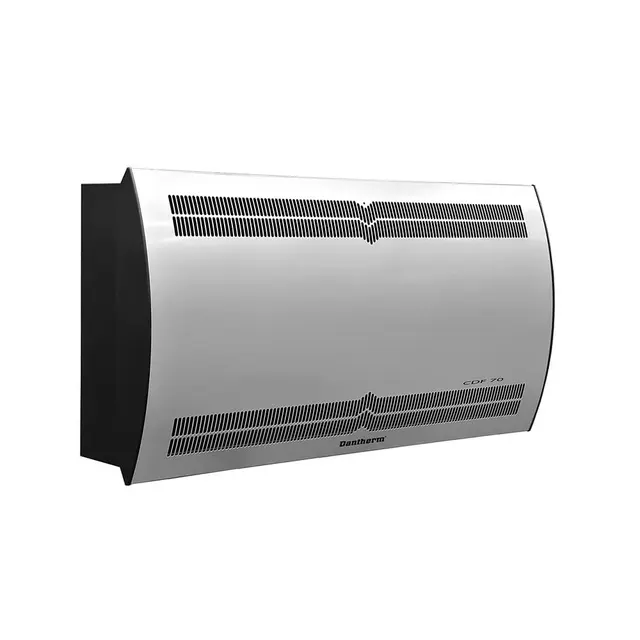
Wall-mounted/floor-standing dehumidifiers
The energy-efficient and quiet CDF range of powerful dehumidifiers is ideal for preserving and protecting your valuables from humidity damage.
Need help with choosing the right solution? Our team of over 100 climate control experts can assist.
You can also reach out or join the discussion on our Social Media. Check out our LinkedIn page.